
US and Iran Clash at UN: Tensions Rise Over Protester Suppression
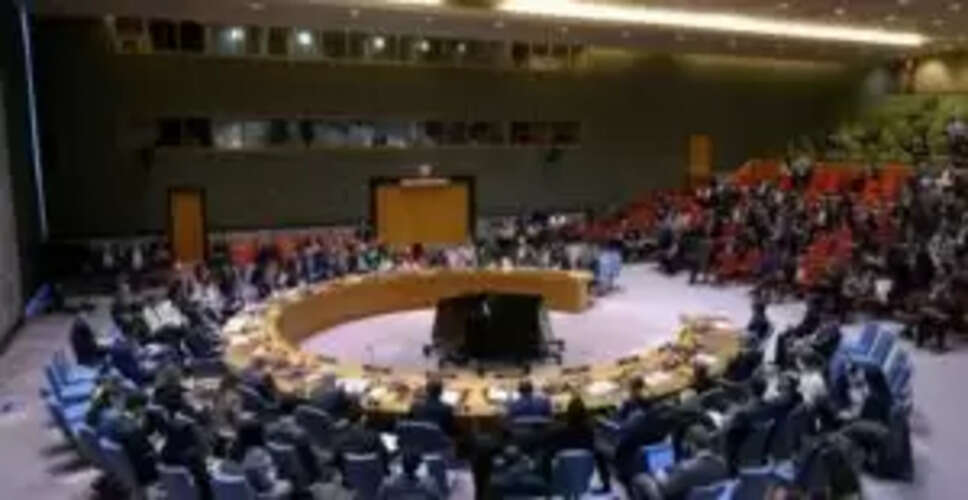
UN Security Council Confrontation
United Nations: In a recent session of the Security Council, the United States issued a stern warning to Iran regarding its treatment of protesters, stating that "all options are on the table" to halt the violence. In response, Iran expressed its desire for neither escalation nor confrontation.
US Permanent Representative Mike Walz emphasized President Trump's proactive stance, declaring during the emergency meeting called by Washington, "He has made it clear all options are on the table to stop the slaughter of protesters."
Iran's Deputy Permanent Representative Gholamhossein Darzi responded by asserting that any form of aggression would provoke a decisive and lawful reaction.
Earlier this week, Trump had hinted at potential military action against Iran, stating, "The military is looking at it, and we’re considering some very strong options." However, he later noted that Iran had indicated a halt to the planned executions of protesters, a claim later confirmed by Iranian officials.
In a call with NBC, Trump remarked, "We saved a lot of lives yesterday," while Walz left the door open for action should Iran continue its harsh crackdown on dissent.
Walz also highlighted that the unrest in Iran could have broader implications beyond its borders, stating, "The level of violence and repression unleashed by the Iranian regime against its citizens has repercussions for international peace and security."
He criticized Iran's claims of readiness for dialogue, suggesting that their actions contradict those statements.
Darzi accused the US of instigating unrest in Iran, a claim Walz refuted.
Assistant Secretary-General Martha Pobee, who briefed the Council, noted that protests against inflation and the declining value of the rial, which began last month, were reportedly slowing down.
"The situation in Iran is fluid and deeply concerning," she stated, adding that protests continue, albeit at a reduced scale compared to the previous week.
Without directly naming the US, she expressed alarm over public statements suggesting possible military strikes on Iran, indicating that such external threats could exacerbate an already volatile situation.
She also conveyed Secretary-General Antonio Guterres' deep concern regarding the excessive use of force in Iran and the urgent need to prevent further casualties.
Russia and China voiced their support for Iran, criticizing the US for its threats. China's Deputy Permanent Representative Sun Lei warned that any military adventurism would destabilize the region.
Russia's Permanent Representative Vassily Nebenzia accused the US of inciting hysteria regarding Iran and claimed that the Council meeting was convened to justify military action aimed at overthrowing the Iranian regime.