
US and Iran: Are Negotiations Finally on the Horizon Amid Ongoing Tensions?
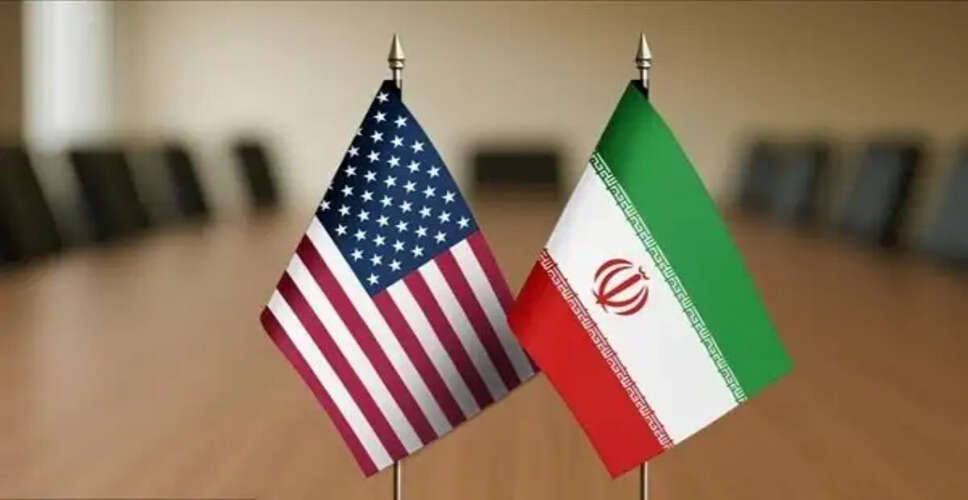

Progress in US-Iran Negotiations
Cairo: Regional officials reported on Monday that mediators have made headway in facilitating discussions between the United States and Iran, following a pause in hostilities that had escalated sharply. However, sporadic attacks by armed factions in the area highlighted the ongoing tensions.
Saudi Arabia announced it intercepted drones launched by Iran-aligned militias in Iraq, which were aimed at its oil facilities. Concurrently, Houthi rebels in Yemen claimed responsibility for assaults on Saudi oil installations, although it remains unclear if these incidents were connected.
For three consecutive days, neither the US nor Iran engaged in military actions, marking a brief respite after a fortnight of intense bombardments that raised fears of a potential all-out conflict.
US President Donald Trump indicated that Iran had expressed interest in further discussions, reaching out directly due to the pressure from US strikes. However, Iran has denied that any direct negotiations are currently taking place.
"We’re having good talks, so we’ll see what happens," Trump stated to reporters aboard Air Force One. "I think there’s a good chance that something could happen. If it does, great; if not, we revert to our previous stance from two days ago."
Two regional officials, who requested anonymity to discuss confidential talks, revealed that mediators from Qatar and Pakistan are striving to reconnect Washington and Tehran to an interim ceasefire agreement that had previously collapsed amid hostilities.
Weekend Attacks and Ongoing Tensions
In addition to the Saudi attacks, two drone strikes were reported against a Kurdish Iranian dissident group in Iraq on Monday. Jordan also announced it had downed two drones, though the origin of these drones was not specified. Fortunately, there were no reports of injuries or damage.
Iran and Ukraine have been engaged in a public dispute since Ukraine targeted at least one Iranian vessel in the Caspian Sea over the weekend. Iran claimed that a sailor was killed in this incident, highlighting its role as a key ally of Russia in the ongoing conflict against Ukraine, particularly in enhancing Moscow's drone capabilities.
The US had previously paused its attacks after targeting Iranian coastal regions and infrastructure during a nearly two-week escalation triggered by Iran's attacks on vessels navigating the Strait of Hormuz, a vital route for global oil transport. Iran retaliated with missile and drone strikes on nations hosting US troops, resulting in the deaths of at least four service members in Jordan and Iraq.
Following the US's pause in military actions, Iran's military spokesperson confirmed that Tehran had also ceased its attacks.
Concerns Over US Munitions and Military Strategy
Analysts have noted that the ongoing conflict has depleted the US stockpile of essential weaponry, including missiles and interceptors.
When questioned about the status of the US munitions stockpile, Trump stated that it was "in very good shape," but he also expressed a desire for more resources. Experts have raised concerns about how long both nations can sustain their military operations.
General Dan Caine, the chairman of the Joint Chiefs of Staff, has informed Trump that the condition of the US stockpile could influence military operations in Iran, according to a US official who spoke on the condition of anonymity regarding sensitive discussions.
Caine recently told lawmakers that "airpower has its limits" in achieving military goals, noting that the US military has primarily relied on airstrikes against Iran.
Mediation Efforts and Shipping Concerns
One regional official described the mediation progress as "significant," indicating that efforts are underway to establish a framework for managing vessel transit through the Strait of Hormuz, which has been a focal point for recent military actions.
Esmail Baghaei, spokesperson for Iran's Foreign Ministry, stated during a press conference that while mediators might relay messages from the US, no direct negotiations are occurring.
He mentioned that discussions between Iran and Oman took place recently regarding the management of shipping traffic through the strategic waterway.
The goal is to create mechanisms that ensure safe navigation through the Strait of Hormuz while respecting the sovereignty and security interests of both coastal nations. Baghaei emphasized that the waterway remains closed.
Tehran has claimed that the interim agreement with the US allows it to oversee shipping in the strait and potentially impose fees, opposing US efforts to support an alternative route near Oman. Previously, the strait was accessible to all without charges.
The US military confirmed on Monday that its naval blockade against Iran remains in effect, with 17 commercial vessels redirected, two disabled, and two boarded.
As the 60-day period established by the interim agreement progresses, critical issues, particularly Iran's nuclear program, have been sidelined as mediators strive to maintain dialogue between both parties.
Shipping Traffic and Regional Stability
Concerns have escalated regarding shipping through another vital waterway, the Bab al-Mandeb strait leading to the Red Sea. The Houthis recently threatened to blockade Saudi shipping in that area and fired upon at least one Saudi tanker.
The global energy supply and economic stability are at stake as gasoline prices have surged once more.
According to a maritime organization overseen by the US Navy, commercial shipping traffic in the Strait of Hormuz has reached a three-week low, with no new attacks reported in the last 72 hours. However, traffic through Bab el-Mandeb has remained steady.
Netanyahu's Support for Trump's Efforts
In related news, Israeli Prime Minister Benjamin Netanyahu announced plans to meet with Trump in Washington on Tuesday. Their last meeting occurred in February, shortly before the onset of the conflict that resulted in the deaths of several Iranian leaders, including Supreme Leader Ayatollah Ali Khamenei.
Following the outbreak of war, the Iranian-backed Hezbollah group in Lebanon launched attacks against Israel, prompting Israeli airstrikes and a ground invasion in response.
The US State Department confirmed that the next round of discussions between Israel and Lebanon is scheduled for next week in Rome, focusing on expanding "pilot zones" where Israeli forces will withdraw and transfer security responsibilities to the Lebanese Armed Forces.
Ongoing negotiations aim to diminish Hezbollah's influence in Lebanon.