
US Air Force F-15E Strike Eagles Shot Down in Kuwait: Understanding Blood Chits
Incident Overview
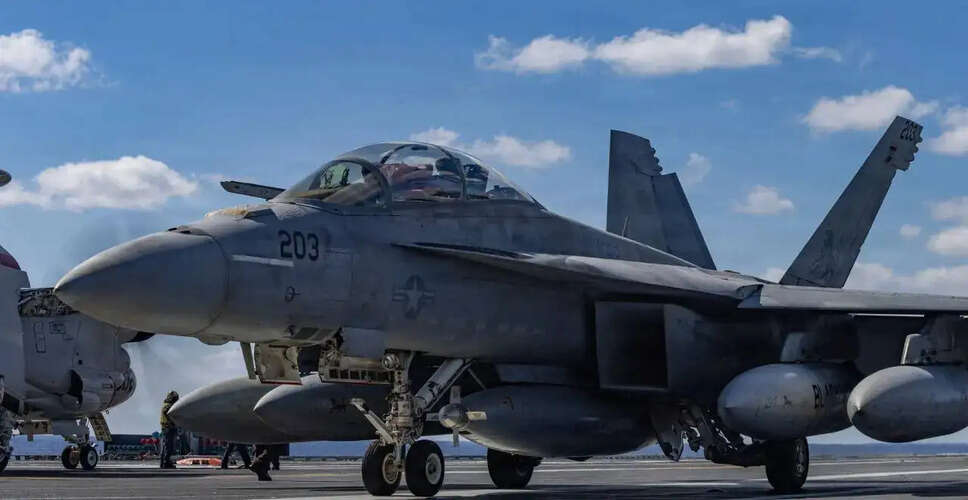
On March 1, at 11:03 p.m. ET, three F-15E Strike Eagles from the United States Air Force were reportedly downed over Kuwait during operations associated with a military initiative known as Operation Epic Fury. Initial reports indicate that the aircraft were mistakenly targeted by Kuwaiti air defenses amidst a chaotic aerial environment that involved Iranian aircraft, ballistic missiles, and drones. Fortunately, all six crew members successfully ejected and were later rescued in stable condition. Kuwaiti officials have confirmed the occurrence and are currently investigating the incident. Following the event, discussions on social media turned to a lesser-known survival tool carried by the pilots — the 'blood chit.'
Understanding Blood Chits
What Is a Blood Chit?
A blood chit is a small document that military personnel, especially aircrew, carry to communicate with civilians who may find them if they are shot down or stranded in enemy territory. Typically printed in various languages, it identifies the bearer as a friendly service member and requests assistance such as food, water, shelter, or medical care. Importantly, it often includes a written assurance that the U.S. government will reward those who help return the individual safely. The term became widely recognized during World War II when American aircrews flying over regions like China and Burma had blood chits sewn into their flight jackets, featuring the American flag and printed in local languages to solicit aid from civilians.
Purpose of Blood Chits
Why Pilots Carry Them
The rationale is straightforward: if a pilot ejects over unfamiliar or hostile terrain, they are more likely to encounter civilians than friendly forces. A blood chit serves multiple functions:
- Identifies the airman as American.
- Indicates non-hostile intent.
- Requests humanitarian assistance.
- Provides official assurance of compensation.
Despite advancements in technology such as satellite tracking and secure communications, the use of contingency tools like blood chits remains a vital part of military doctrine.
Connection to the Kuwait Incident
Linked To The Kuwait Incident?
Social media has suggested that the F-15E crews involved in the Kuwait incident were equipped with multilingual blood chits in English, Arabic, Turkish, Persian, and Kurdish. While these specific claims have not been independently verified, it is standard for U.S. aircrew operating in high-risk areas to carry survival documentation as part of their personnel recovery protocols. The friendly fire aspect of the Kuwait incident illustrates how quickly air defense scenarios can become congested and unclear during multi-domain operations. As investigations into the F-15E shootdown proceed, the renewed focus on blood chits underscores a longstanding tradition in military survival strategies that has persisted from World War II to contemporary missions.