
Understanding the Independence Day Celebrations of Pakistan and India
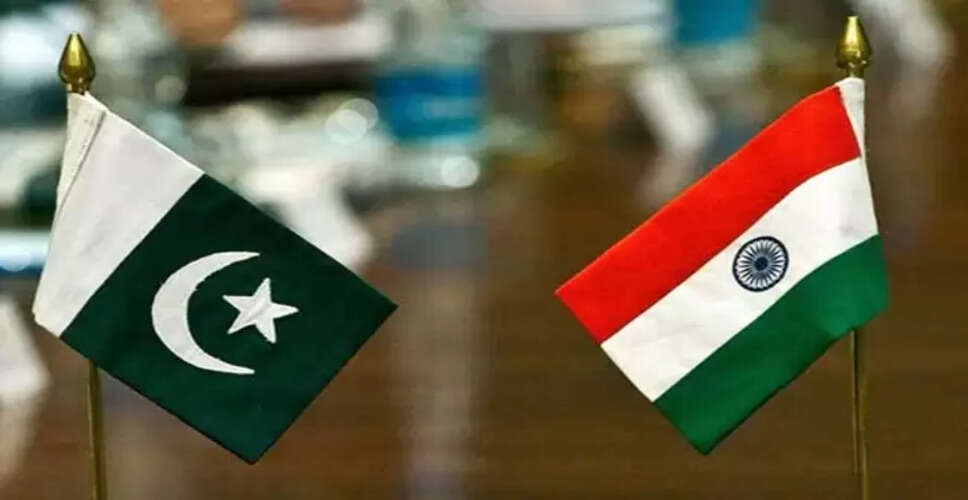
A Historical Reflection on Partition
Approximately 79 years ago, India experienced a traumatic event that continues to evoke pain and sorrow each year. The partition led to the loss of millions of lives and left countless individuals homeless. This event, which divided a single nation into two—India and Pakistan—occurred on August 14, a date that marks the drawing of a line between the two countries. The driving force behind this division was Muhammad Ali Jinnah, a pivotal figure in Pakistan's history, often referred to as 'Quaid-e-Azam' by his compatriots. While Pakistan celebrates its independence on August 14, one might wonder why this newly formed nation commemorates its freedom before India. Let's delve into the story behind this.
A Brief Flashback
The date for Independence Day was not predetermined. In early 1947, the British Labour government appointed Lord Louis Mountbatten as the last Viceroy of India, tasked with overseeing the transfer of power from British rule to Indian hands. Initially, the transfer was scheduled for June 1948. However, escalating communal riots and deteriorating law and order compelled Mountbatten to expedite the British withdrawal, moving the date to August 1947. The Indian Independence Act was passed by the British Parliament on July 4, 1947, mandating the end of British rule by August 15, 1947, which also marked the birth of two new nations, India and Pakistan. The exact borders between these countries were not finalized until August 17 to prevent unrest.
Why Does Pakistan Celebrate Independence Day on August 14?
So, why does Pakistan celebrate its Independence Day on August 14? Official documents and the founder of Pakistan, Muhammad Ali Jinnah, initially preferred to observe the day on August 15. However, by 1948, for practical and symbolic reasons, Pakistan adopted August 14 as its celebration date. This was primarily due to the timing of the transfer of power ceremony, which took place in Karachi on August 14, 1947, presided over by Mountbatten before he headed to New Delhi for the midnight ceremony marking India's independence.
Religious Significance of the Date
Another reason for the choice of August 14, 1947, is its alignment with a significant date in the Islamic calendar, coinciding with the 27th day of Ramadan, which imbued the occasion with religious importance. Since then, Pakistan has consistently celebrated its Independence Day on this date, while India has maintained August 15 as its own.
Political Decisions Behind the Dates
When the Indian Independence Act was enacted in 1947, it resulted in the partition of Bengal and Punjab, creating the two independent nations of India and Pakistan. Jinnah, in his famous radio address, proclaimed August 15 as the birthday of the free and sovereign state of Pakistan. Initially, both countries shared the same date for independence. However, a political decision emerged in June 1948, when Pakistan's cabinet, led by Prime Minister Liaquat Ali Khan, proposed to celebrate independence a day earlier than India. Jinnah approved this, establishing August 14 as the official date.