
Understanding Daylight Saving Time: Changes and Effects in the US
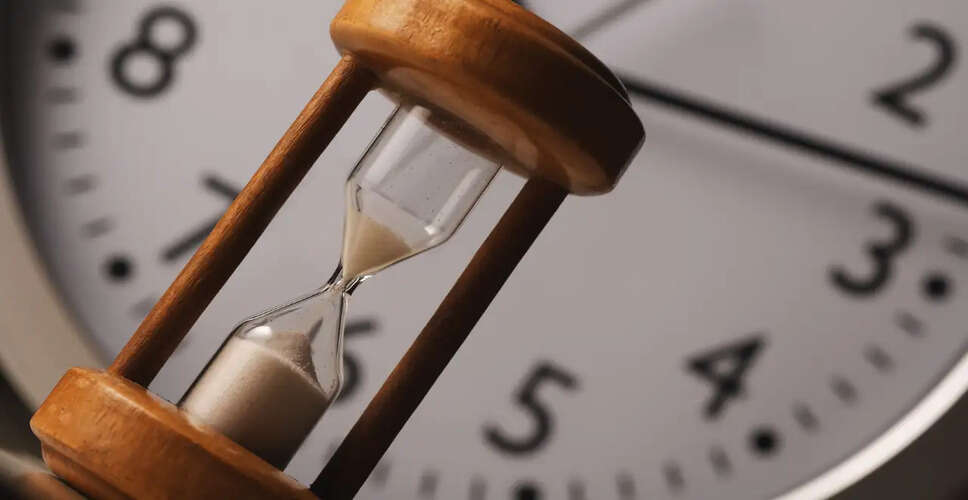
Daylight Saving Time Begins Soon
Daylight saving time is set to commence shortly, ushering in extended evenings and a one-hour adjustment for many regions across the United States. This transition will occur on Sunday, March 8, at 2 AM local time, when clocks will spring forward by one hour. While this change will result in later sunsets, it will also mean that many individuals will lose an hour of sleep. Daylight saving time will remain in effect until November 1, when clocks revert back by one hour. Most states in the U.S. participate in this time change, although Hawaii and Arizona, with the exception of the Navajo Nation, do not observe it. Additionally, several territories such as Puerto Rico, Guam, American Samoa, and the U.S. Virgin Islands also forgo this adjustment.
The Rationale Behind Clock Changes in the US
Historically, before the establishment of modern time zones, towns adjusted their clocks according to the sun's position, leading to significant confusion, particularly for railroads. In 1883, railroads in the U.S. and Canada introduced four standardized time zones to mitigate this issue. Congress officially adopted this system in 1918, incorporating daylight saving time during World War I as a measure to conserve energy. Over the years, the system has evolved, with some cities opting in and others opting out, resulting in nationwide confusion. The Uniform Time Act of 1966 established a uniform set of rules while permitting states to opt out. Time zone boundaries have also shifted multiple times, including a notable change in 2010 when Mercer County in North Dakota transitioned from Mountain Time to Central Time.
Health and Safety Implications of Time Changes
The shift in time can disrupt the body's internal clock, leading many to feel fatigued during the initial week following the start of daylight saving time. Sleep specialists indicate that the darker mornings and brighter evenings can interfere with regular sleep patterns. Research indicates a spike in fatal car accidents in the days following the spring transition, with one study highlighting that the risk is particularly elevated in the morning, likely due to drivers losing an hour of sleep. Some studies also suggest a slight increase in heart attacks and strokes shortly after the clocks are set forward. Experts believe these effects may arise from the abrupt disruption of the body's daily rhythm, especially in individuals with pre-existing health issues.
To mitigate these effects, sleep experts recommend several strategies. Gradually adjusting bedtime by 15 to 20 minutes earlier in the days leading up to the change can be beneficial. Exposure to morning sunlight can assist in resetting the internal clock, and shifting daily routines earlier may also facilitate adjustment. However, they caution that afternoon naps, caffeine consumption, and exposure to bright screens in the evening can hinder the ability to fall asleep.
There is ongoing discussion regarding the potential elimination of clock changes. In 2022, a bill to make daylight saving time permanent was passed by the U.S. Senate, but it did not progress further.