
Uncertainty Surrounds Strait of Hormuz Amid US-Iran Tensions
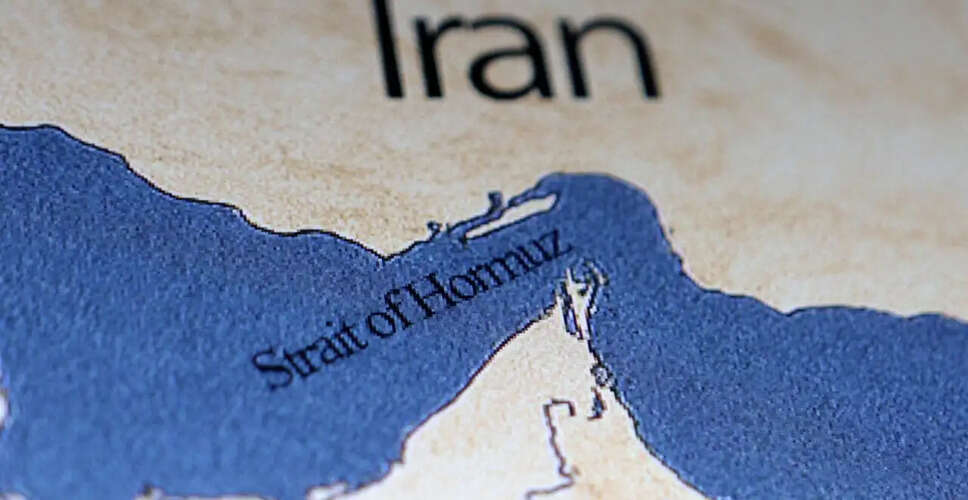

Strait of Hormuz: A Crucial Oil Transit Route Faces New Challenges
The status of the Strait of Hormuz, a vital oil transit route, has become increasingly uncertain due to conflicting statements from Tehran and Washington amid the ongoing tensions involving the US, Israel, and Iran. While Iran announced that the strategic waterway was "open" following a ceasefire between Lebanon and Israel, US President Donald Trump also claimed it was "fully open." However, both parties indicated that restrictions would still apply. Iran suggested that passage would depend on its coordination and conditions, while Trump maintained that the American blockade would remain in effect.
On Friday, Iranian Foreign Minister Abbas Araghchi declared that the Strait of Hormuz was fully accessible to commercial vessels, coinciding with a 10-day truce between Israel and Hezbollah. He noted that ships would navigate through routes designated by Iran, implying that the country intends to exercise control over the passage. It remains unclear whether vessels will incur tolls for this transit.
Following Iran's announcement, Trump expressed his approval, stating on social media that the Strait was 'fully open and ready for full passage.' However, he quickly reiterated that the blockade on Iranian ships and ports would continue until a comprehensive deal, including nuclear negotiations, was reached with Iran. The US Navy's blockade will persist 'UNTIL SUCH TIME AS OUR TRANSACTION WITH IRAN IS 100% COMPLETE.'
Iran has threatened to close the Strait again if the US maintains its blockade. Mohammad Bagher Ghalibaf, the speaker of Iran's parliament, warned that the strait 'will not remain open' under such conditions. He emphasized that passage would be regulated by Iranian authorization and designated routes, rather than social media claims.
In light of the ongoing disputes, the Islamic Revolutionary Guard Corps (IRGC) has established specific conditions for vessels navigating the Strait of Hormuz. These include:
- Civilian ships may only transit through routes deemed safe by Iran, particularly near Larak Island.
- Military vessels are prohibited from passing through the strait, even as commercial traffic resumes.
- All ships must secure permission from the IRGC Navy and coordinate their navigation for safety.
- Passage is permitted only during the ceasefire period linked to the situation in Lebanon.
The Strait of Hormuz is crucial for global oil and liquefied natural gas transportation, accounting for approximately 20% of these flows. Hundreds of ships and around 20,000 seafarers have been stranded in the Gulf, awaiting safe passage.