
Uncertainty Surrounds Bnei Menashe Community's Migration to Israel
Migration Hopes Diminished Amid Conflict
Aizawl, March 5: Jeremiah L Hnamte and many others from Mizoram are facing renewed uncertainty regarding their long-held aspiration to return to their ancestral homeland, Israel.
After enduring years of applications and waiting, nearly 300 individuals from the Bnei Menashe community believed their long-anticipated migration would finally occur this year. However, escalating tensions in West Asia have cast doubt on these plans, transforming what many view as a migration into a spiritual journey.
Hnamte, who is set to depart with his wife and son, shared that their initial departure was planned for February. Following a postponement, they were advised to prepare for an early March exit. Yet, with Israel now engaged in a broader conflict, their timeline has been delayed once more.
“We expect to receive updates on the new schedule, likely by the end of this week,” he mentioned, though his tone reflected uncertainty. “At this moment, predicting anything is challenging,” he added.
This latest setback has reopened old wounds for many families, as this is not the first time their journey home has been disrupted by external factors. Previously, plans were thwarted due to Prime Minister Narendra Modi's visit to Israel, which affected the migration timeline. Just as hope was rekindled, war has intervened again.
In early December of last year, excitement filled the Bnei Menashe community as nine rabbis, along with representatives from the Jewish Agency for Israel and diplomats from the Israeli Embassy, arrived in the city for screenings. Approximately 35 officials had been stationed in Aizawl since December 1, meticulously evaluating candidates for the initial phase of relocation.
This visit was perceived as a significant advancement. Community members gathered necessary documents, revisited Hebrew lessons, and spoke enthusiastically about life in Israel. Parents explained to their children the importance of returning to what they consider their ancestral homeland. Suitcases were mentally packed long before they were physically filled.
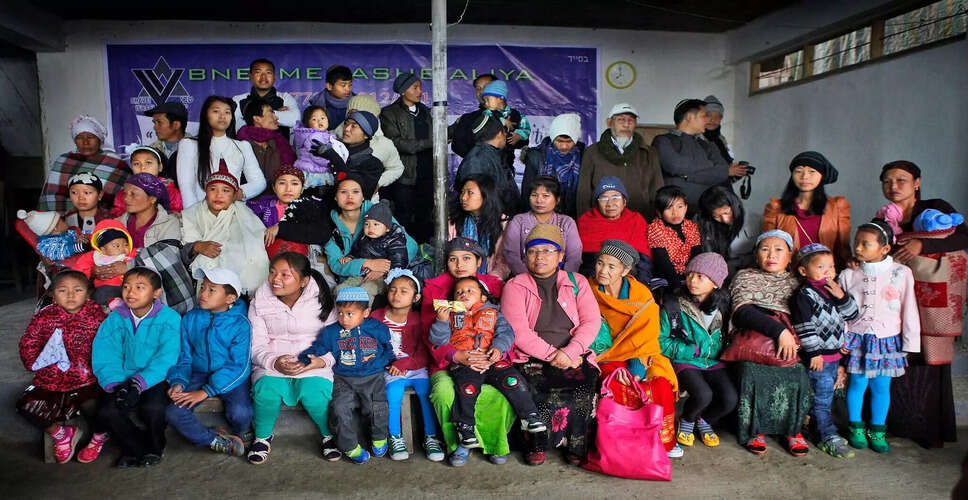
On Tuesday, as the community congregated on the outskirts of Aizawl to celebrate Purim, the festive atmosphere was overshadowed by uncertainty. Discussions about migration occurred alongside prayers and traditional rituals. For many, this festival – which commemorates a pivotal moment in Jewish history – resonated deeply with their own journey of faith and longing.
Israel has sanctioned a phased plan to welcome nearly 6,000 members of the Bnei Menashe community from Mizoram and Manipur by 2030, as per the government led by Prime Minister Benjamin Netanyahu. The current group of 300 is part of this larger commitment.
However, in Aizawl, the broader geopolitical situation translates into deeply personal experiences: children who must wait another season to see the land they have been taught to call home; elderly parents questioning if they will live to see the journey completed; and families caught between two worlds, belonging fully to neither while awaiting the resolution of history and politics.
For Hnamte and others in similar situations, hope remains intact despite the uncertain timeline. “We have waited for years,” he expressed quietly. “If we must wait a bit longer, we will. But we pray that this time, nothing will hinder our journey home again.”