
UN Report Reveals Disturbing Treatment of Afghan Returnees by Taliban
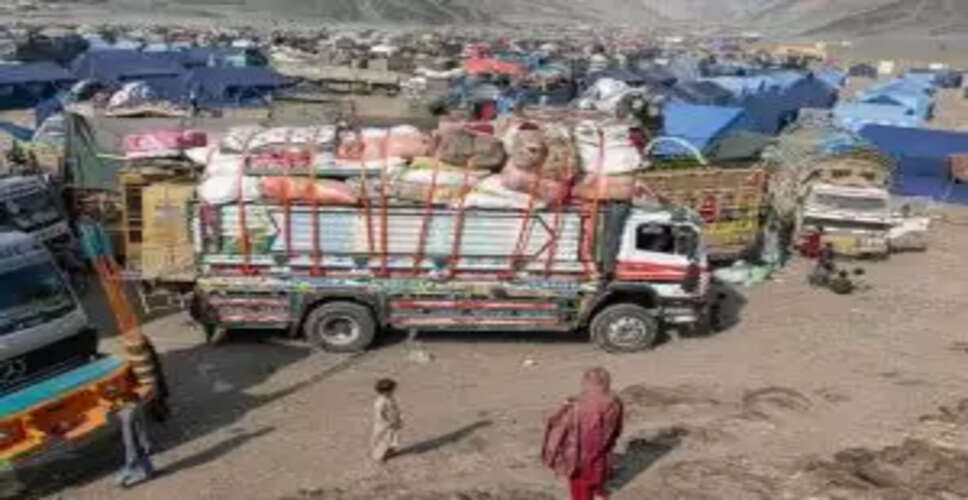
Human Rights Violations Against Afghan Returnees
Islamabad: A recent report from the United Nations has highlighted alarming instances of torture and threats faced by Afghans forcibly returned from Iran and Pakistan due to their identity or past affiliations.
Both Pakistan and Iran have been expelling millions of Afghans, claiming they are residing illegally. In response, Afghan authorities have encouraged nationals to come back, offering amnesty to those who left after the Taliban regained control in 2021.
However, human rights organizations and the UN have consistently warned that many returnees are at risk of persecution based on their gender, connections to the previous Western-supported government, or their professions.
The UN's report indicated that numerous individuals have suffered severe human rights abuses, with some going into hiding or relocating to escape potential Taliban retaliation.
Reported violations include torture, arbitrary detention, and threats to personal safety perpetrated by the Taliban.
One former government official recounted to the UN mission that upon his return to Afghanistan in 2023, he was detained and brutally tortured using sticks and cables, subjected to waterboarding, and faced a mock execution.
A non-binary individual reported severe beatings, including being struck with the butt of a gun.
Volker Turk, the UN High Commissioner for Human Rights, emphasized that no one should be forcibly returned to a country where they face persecution due to their identity or history.
This risk is particularly acute for Afghan women and girls, who endure various forms of persecution solely based on their gender.
The Taliban have enforced strict limitations on the rights of Afghan women and girls, barring them from education beyond the sixth grade, most job opportunities, and access to numerous public spaces.
In response to the UN report, Taliban officials denied any mistreatment of Afghan returnees, dismissing claims of violence, intimidation, or retaliation based on identity.
They asserted that returnees are provided with necessary documentation, transportation, resettlement assistance, and legal support, claiming a 'warm welcome' from the Interior Ministry.
The Taliban urged the UN mission to halt forced deportations and called on the organization to ensure basic needs for refugees, including food, medical care, shelter, and education.
Afghans who have fled their country over the years are now facing expulsion campaigns in Iran and Pakistan or an uncertain future due to dwindling support for refugees.
Recently, thousands of Afghans in the US lost their deportation protections after a federal appeals court upheld the Trump administration's decision to terminate their legal status.
Homeland Security officials argued that conditions in Afghanistan were improving, but organizations assisting these Afghans contend that the situation remains perilous.
The suspension of a refugee program by the Trump administration has left many Afghans stranded, especially in Pakistan, while a travel ban has further reduced their chances of resettlement in the US.