
Ukraine Intensifies Strikes on Russian Oil Facilities Amid Ongoing Conflict
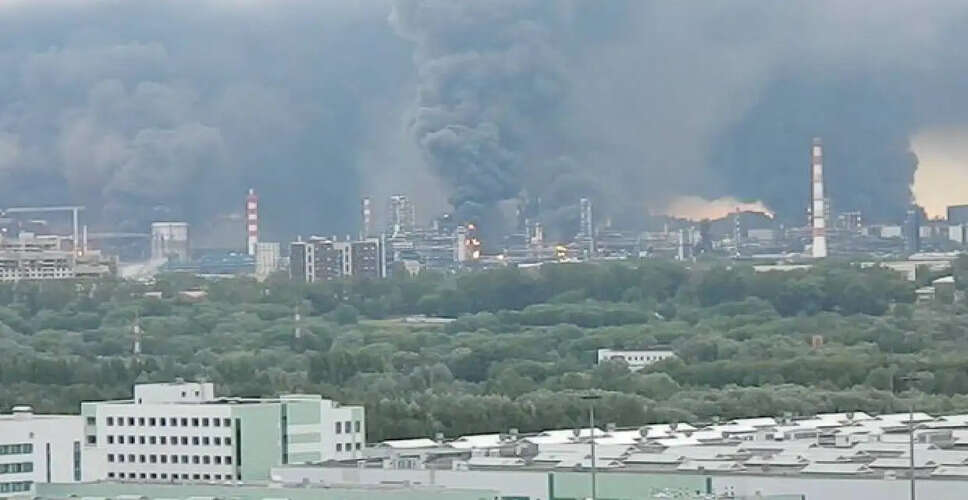

Kyiv's Strategic Attacks on Russian Infrastructure
In a series of nighttime operations, Ukraine has targeted oil facilities deep within Russian territory, as confirmed by President Volodymyr Zelenskyy. This strategy aims to disrupt Moscow's wartime economy and create embarrassment for the Kremlin.
These ongoing attacks have led to fuel shortages in Russia, causing anxiety among its citizens, while simultaneously boosting the morale of Ukrainians who are facing relentless Russian assaults that their air defenses are struggling to manage.
Ukrainian forces successfully struck a refinery located in Bashkortostan, over 1,300 kilometers (800 miles) from the front lines in eastern Ukraine, along with another facility in the Yaroslavl region, nearly 700 kilometers (400 miles) from the Ukrainian border, as reported by Zelenskyy on social media.
Additionally, Ukrainian forces targeted two Russian military patrol boats in the Black Sea, along with vessels from Russia's shadow fleet, which is utilized to bypass Western oil export restrictions. Specific details regarding the vessels and the extent of the damage were not disclosed.
The Russian Defense Ministry reported that its air defenses intercepted 605 Ukrainian drones across various regions, including Crimea and the Black and Azov seas, during the night.
Ukraine's Urgent Need for Air Defense Enhancements
In the meantime, Russian drone and glide bomb strikes across Ukraine resulted in the deaths of at least three civilians and injuries to 22 others, as authorities indicated. Countries supporting Kyiv in its resistance against Russia are urgently seeking to provide more air defense systems.
Recent weeks have seen Moscow intensifying its attacks on Ukraine with ballistic missiles, which Ukrainian officials claim can only be countered by the US-made Patriot air defense system. However, the ongoing conflict has depleted Ukraine's stock of these interceptor missiles, leaving it vulnerable to Russian strikes.
Zelenskyy emphasized the urgency of acquiring interceptor missiles to protect against the relentless Russian attacks targeting civilians and infrastructure. He mentioned discussions with NATO chief Mark Rutte and Finnish President Alexander Stubb regarding the immediate procurement of interceptors from available stockpiles.
Zelenskyy stated that he and Rutte are coordinating efforts with nations that possess the necessary missiles and capabilities to assist Ukraine.
It is crucial to eliminate bureaucratic hurdles and make swift political decisions, Zelenskyy remarked.
Rutte also expressed his commitment to discussing with allies how to ensure Ukraine receives the air defenses it critically needs.
Casualties from Russian Attacks in Ukraine
Russia seems determined to wear down Ukraine through overwhelming numbers of troops, equipment, and weaponry. Analysts suggest that President Vladimir Putin believes time is on his side, anticipating a decline in Western support and the eventual collapse of Ukraine's resistance.
From Wednesday to Thursday, Russia launched four missiles and 101 long-range strike drones at Ukraine, with air defenses managing to shoot down or jam 66 of those drones.
In Balakliia, located in the northeastern Kharkiv region, three fatalities were reported, according to local military administration head Vitalii Karabanov. The first strike hit a residence, resulting in a woman's death and igniting a fire, while a second strike near another home claimed the lives of a man and a woman.
In the Sumy region, Russian glide bombs injured 12 individuals, with damage reported to apartment buildings and infrastructure, shattering hundreds of windows, as stated by regional military administration chief Oleh Hryhorov.
In the southern Kherson region, a Russian drone attack targeted a bus transporting farmworkers, injuring six people, according to local authorities. Additionally, a drone strike in a residential area of Zaporizhzhia resulted in four injuries, as reported by regional administration head Ivan Fedorov.