
UAE Explores Financial Safeguards Amid Iran Conflict Concerns

UAE's Financial Discussions with the US
The United Arab Emirates (UAE) has initiated early talks with American officials regarding a potential financial safety net as it prepares for the economic repercussions of the ongoing conflict with Iran, according to a report by a prominent news outlet citing anonymous US sources.
Details of the Discussions
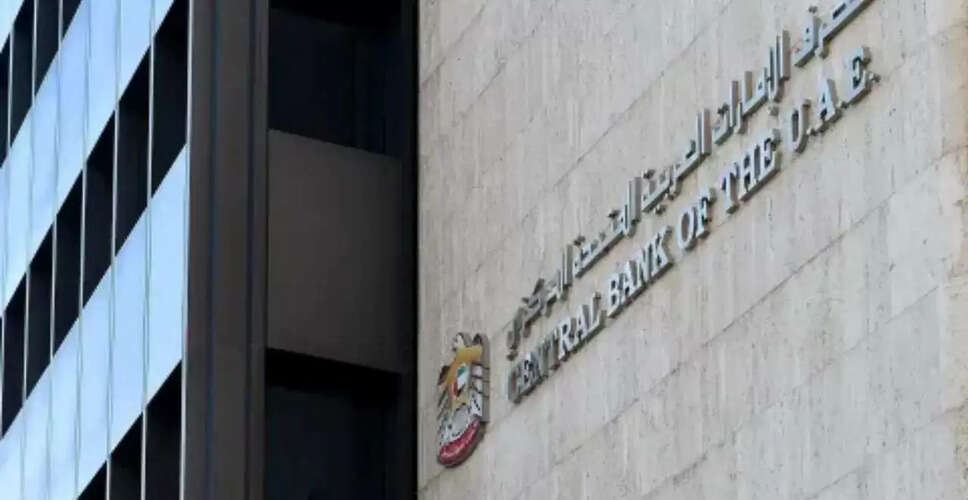
Khaled Mohamed Balama, the Governor of the UAE Central Bank, proposed the establishment of a currency swap line during discussions in Washington last week with officials from the Federal Reserve and the US Treasury, including Treasury Secretary Scott Bessent. A currency swap line allows two central banks to exchange currencies, providing access to foreign reserves during critical times. Although Emirati officials have not formally requested such an arrangement, these discussions indicate that Abu Dhabi is proactively considering its options should the situation worsen.
Concerns for the UAE
The ongoing war has already impacted the UAE's economy significantly. Damage to the country's energy infrastructure and the closure of the Strait of Hormuz have disrupted essential dollar income from oil shipments. In a recent interview on ABC's This Week, UAE Minister of State for International Cooperation, Reem Al Hashimy, revealed that the nation has faced over 2,800 missile and drone attacks since the onset of the US-Israeli conflict with Iran on February 28. While Emirati leaders have managed to mitigate the worst economic impacts so far, they recognize the potential need for external assistance if conditions deteriorate further.
Wider Implications
These discussions reflect growing concerns within the UAE regarding the long-term implications of a protracted conflict on its reputation as a leading global financial hub. Specific anxieties include the risk of depleting foreign currency reserves and the potential for capital flight as investors seek safer havens for their assets. The ongoing talks illustrate how the ramifications of the Iran conflict are extending beyond the immediate area, affecting the financial stability of neighboring nations that had hoped to remain insulated from the turmoil.