
Trump's Upcoming Tariffs: A Shift in Trade Strategy Amid Economic Concerns
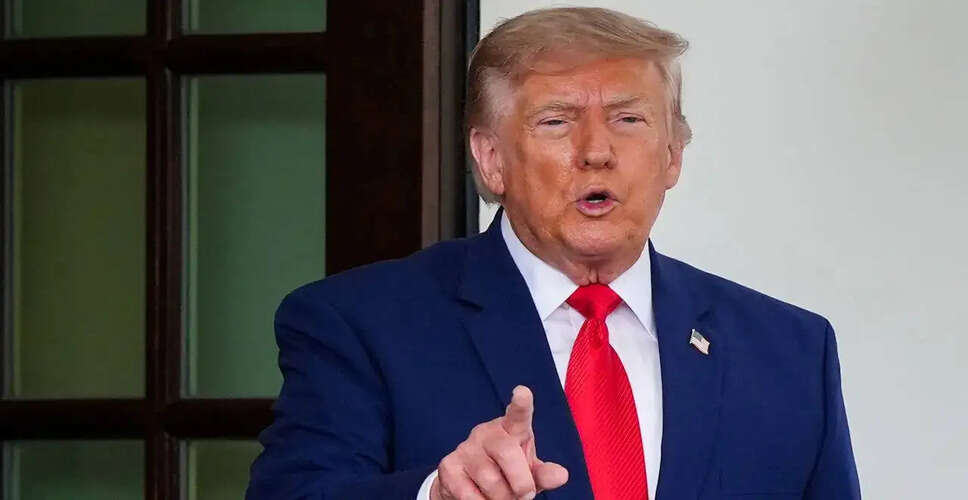

New Tariffs on the Horizon
Donald Trump is set to introduce new tariffs shortly, replacing the temporary global 10% tariff that is due to expire on Friday, as stated by US Trade Representative Jamieson Greer. This announcement comes as the President intensifies his trade conflict with Canada. Reports indicate that the forthcoming tariffs will range from 10% to 12.5% and will impact approximately 60 nations, following a US investigation into forced labor practices. The administration plans to utilize findings from this investigation, conducted under Section 301 of the Trade Act of 1974, as the legal foundation for these tariffs, especially after the US Supreme Court invalidated the reciprocal tariffs that were enacted after Trump's "Liberation Day" declaration in April 2025. In light of that ruling, a temporary 10% tariff was implemented in February, which is now set to lapse.
US Trade Representative Jamieson Greer says the administration's investigation into "forced labor" covers 60 countries and 99% of our trade and could result in even more tariffs pic.twitter.com/df8JPZKz3t
— Aaron Rupar (@atrupar) July 21, 2026
According to the Financial Times, senior officials within the administration have advised the President to maintain stable relations with trading partners and uphold trade agreements established in 2025, rather than provoke further economic instability ahead of the upcoming midterm elections. These proposed tariffs emerge amidst ongoing tensions between the United States and Iran, which have been influencing global energy prices. This conflict has led to an increase in fuel costs in the US, with petrol prices surpassing $4 per gallon this week, raising concerns about the cost of living. A recent poll by Focaldata for the Financial Times revealed that over two-thirds of voters disapprove of Trump's management of living expenses.
Michael Smart, managing director at Rock Creek Global Advisors, noted, "The political climate and affordability issues significantly impact tariff rates, limiting Trump's capacity to escalate further." The administration has already moderated some of its earlier tariff proposals by exempting various consumer goods, such as beef and coffee, and by lowering duties on products made from steel and aluminum. Following distinct trade investigations into critical minerals and aircraft components, officials have suggested continuing discussions with trading partners instead of imposing additional tariffs.
Wendy Cutler, a former US trade official now serving as senior vice-president at the Asia Society Policy Institute, remarked, "This does not imply that tariff increases are completely off the table, but it indicates a need for a more cautious approach, especially with the midterm elections approaching." One ongoing Section 301 investigation also addresses excess manufacturing capacity across several economies, including the European Union, China, India, Japan, Mexico, South Korea, Taiwan, Vietnam, Singapore, Switzerland, Norway, Indonesia, Malaysia, Cambodia, Thailand, and Bangladesh.
In related news, India's Commerce Secretary Rajesh Agrawal stated last week that the trade agreement between Washington and New Delhi is ready, with both parties awaiting an "appropriate time" to finalize it. He mentioned, "They (the US) are in discussions with other countries, but they have not come out with a deal yet…There has been a set of developments since the removal of IEEPA tariffs (International Emergency Economic Powers Act)…Very good discussions have been ongoing. The framework deal is ready. Whenever it is the right time, the appropriate time, the deal will be signed. Both sides understand what goes within the framework deal and what goes into the larger bilateral trade agreement."