
Trump's Potential Call with Taiwan's President Sparks Diplomatic Concerns
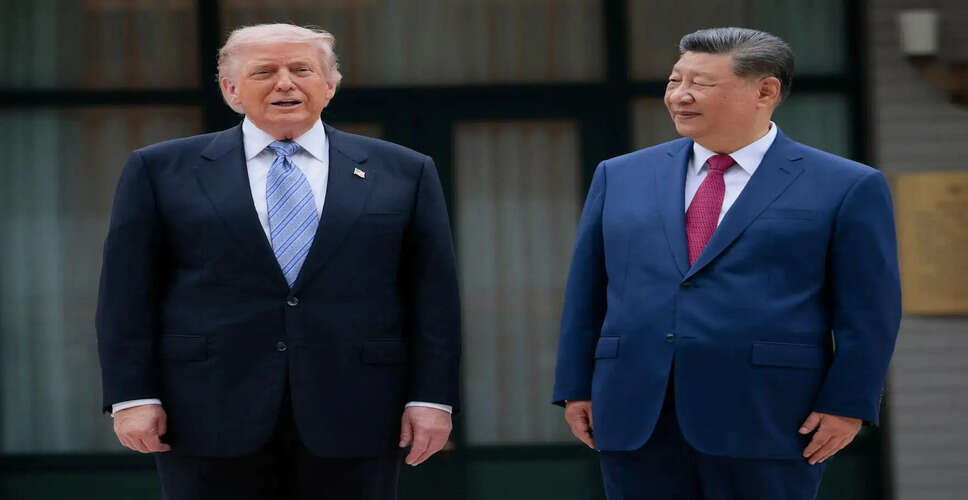

Trump's Intent to Communicate with Taiwan's Leader
This week, former President Donald Trump announced his willingness to engage directly with Taiwan's President, Lai Ching-te, a decision that could disrupt established US diplomatic norms and provoke a strong response from China. When questioned about the possibility of contacting Lai prior to a significant arms sale to Taiwan, Trump stated, “I’ll speak to him. I speak to everybody,” indicating his openness to dialogue.
In response, Taiwan's foreign ministry expressed that President Lai would welcome the conversation. This marks the second occasion within a week that Trump has suggested the idea of direct communication with Lai, initially mentioning it while returning from a summit with Chinese President Xi Jinping in Beijing.
Significance of Direct Communication
Engaging in direct talks with Taiwan's leader would represent a notable shift from decades of diplomatic caution. Since the US severed formal diplomatic relations with Taiwan in 1979, following the recognition of the People's Republic of China, all communications have been conducted through unofficial channels. No sitting US president has had a direct conversation with a Taiwanese president since then. Trump did, however, have a phone call with former Taiwanese President Tsai Ing-wen in 2016, which drew significant backlash from Beijing.
Concerns Over Arms Sales
Trump's remarks come amid discussions regarding a substantial arms package for Taiwan, potentially worth billions, which includes missiles, anti-drone systems, and air defense technology. During the summit in Beijing, Xi cautioned Trump that mishandling the Taiwan situation could harm US-China relations. Trump later referred to the arms deal as a “negotiating chip” in dealings with China, raising concerns in Taiwan regarding the dependability of US support.
China vehemently opposes any formal interactions between the US and Taiwan, asserting that the island is part of its territory. Beijing has consistently warned against arms sales and high-level exchanges, and this recent development further complicates the already intricate dynamics among Washington, Beijing, and Taipei.