
Trump's Optimism Amidst Complex Iran Conflict
US-Iran Tensions: A Shift in Dynamics
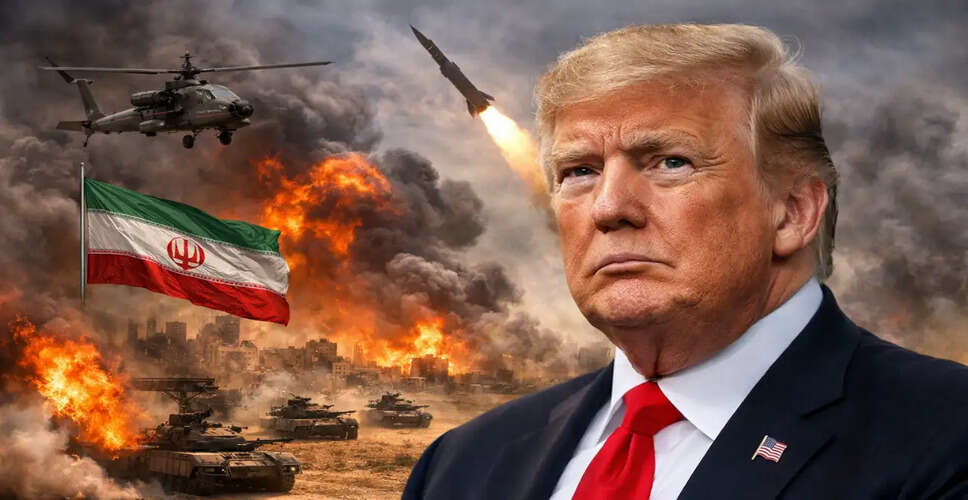
President Donald Trump has voiced his belief that the current conflict with Iran is leaning in favor of the United States. He asserts that the collaborative efforts between the US and Israel have already initiated a “regime change” and anticipates that negotiations with Tehran could commence “soon.” While speaking on Air Force One, Trump cited the elimination of key Iranian leaders as proof of a significant political shift. He remarked, “We’ve had regime change. We’re dealing with different people… a whole different group,” suggesting that discussions might soon take place. However, despite his optimistic outlook, the ongoing conflict, which has persisted for a month, seems to be limiting his strategic choices.
Navigating a Complex Conflict
A War With No Easy Exit
As hostilities continue, the US is confronted with a challenging decision: to escalate military actions or to declare a victory and withdraw. A recent analysis from a prominent media outlet indicates that while the military campaign was anticipated to be quick, it has instead revealed the complexities involved in concluding wars, which are often more intricate than initiating them.
Potential Paths Forward
Option 1: Escalation
Intensifying military efforts could mean launching more extensive strikes within Iran or broadening the conflict throughout the Gulf region. However, this approach carries substantial risks, including potential retaliation from Iran-aligned groups, disruption of vital oil shipping routes like the Strait of Hormuz, and wider economic repercussions. Historical US military engagements have shown that increasing force does not always lead to clear victories.
Option 2: Declare Victory
Option 2: Declare Victory
Alternatively, the US could opt for a political strategy, framing the military campaign as a success and pulling back. This would involve portraying limited achievements as a strategic victory, despite the fact that primary goals remain unmet. However, this tactic risks damaging credibility, as claims of success are quickly scrutinized against the realities on the ground.
Challenges in Strategy
Why the Strategy Is Faltering
The core of the dilemma stems from a significant misjudgment: the belief that Iran would swiftly yield to pressure. Instead, Iran has shown remarkable resilience, maintaining its institutional framework, executing asymmetric responses, and utilizing its regional influence effectively. Unlike previous adversaries faced by the US, Tehran has not exhibited signs of imminent collapse.
The Strategic Dilemma
A Familiar Strategic Trap
This scenario illustrates a classic wartime predicament: escalating the conflict risks a prolonged and broader war, while withdrawing may lead to perceptions of ineffectiveness. As highlighted by a leading publication, wars often develop in unforeseen ways, presenting leaders with challenging trade-offs rather than straightforward victories.
Global Implications
Global Stakes Rise
The ramifications of this conflict extend well beyond the US and Iran. Further escalation could disrupt energy markets, heighten tensions across West Asia, and affect nations like India that rely heavily on stability in the Gulf region. For Trump, the issue has evolved from merely confronting Iran to managing the fallout from a conflict that has not proceeded as anticipated. The most daunting challenge may now be not just waging the war, but also discovering a viable exit strategy.