
Trump's Directive on Smithsonian Museum Sparks Controversy
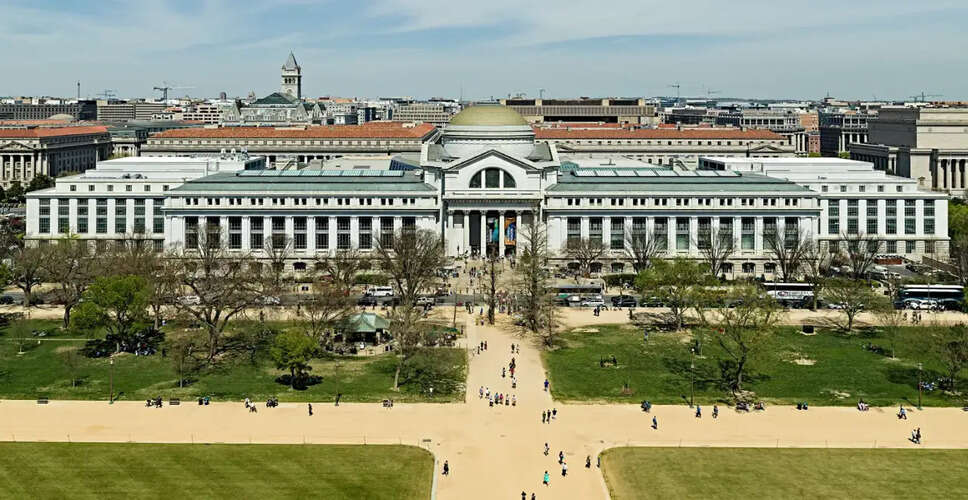

New Signs at the Smithsonian Museum
President Donald Trump has mandated the installation of warning signs outside the Smithsonian National Museum of American History, urging visitors to scrutinize the accuracy of its displays. This executive order, issued on Friday, directs the National Park Service to place these signs along sidewalks and public paths leading to the museum in Washington, DC. The signs will alert visitors that they may encounter "inaccurate information presented in the Museum." This action follows a White House report released on July 4, which criticized the Smithsonian for allegedly failing to present America's history in a trustworthy manner.
In the executive order, Trump accused the museum's leadership of framing American history through a social justice perspective rather than celebrating it as a collective national heritage. Interior Secretary Doug Burgum has been assigned to oversee the sign installation. The order also requires that displays highlight what the administration deems inaccurate historical narratives and guide visitors to alternative resources that purportedly offer a more truthful account of American history.
Lonnie Bunch, the Smithsonian Secretary, refuted the White House's claims, stating in an interview that the report misrepresents the museum's work. He emphasized that the exhibitions are based on rigorous scholarship and a commitment to accurately narrate the entirety of America's story.
This directive is part of a larger initiative by the Trump administration to alter how American history is depicted at federally funded institutions. In 2025, Trump had previously signed an executive order aimed at reinstating what he called "truth and sanity to American history," which instructed federal agencies to eliminate content from national parks and federally managed sites that implied the United States was "inherently racist, sexist, or oppressive." The review process required National Park Service staff to scrutinize signs, brochures, and educational materials for language deemed critical of the country or promoting ideological perspectives.
Reports indicated that materials related to Native American history, slavery, the civil rights movement, Black history, and climate change were particularly examined during this review. One notable instance involved the removal of a slavery memorial at George Washington's former estate in Philadelphia, following the administration's directive. The City of Philadelphia subsequently filed a lawsuit for its restoration. While new informational panels were added in July amid ongoing legal challenges, critics argued that these panels minimized the significance of slavery to safeguard Washington's legacy.
Similar policies have been implemented within the military as well. Defense Secretary Pete Hegseth has prohibited the use of official military resources for events like Black History Month, Women's History Month, and Asian American and Pacific Islander Heritage Month. Additionally, there have been restrictions on teaching related to critical race theory, diversity, equity, and inclusion (DEI), as well as gender ideology. Schools on U.S. military bases were also instructed to remove numerous books that officials claimed promoted "gender ideology and discriminatory equity ideology." However, a federal judge ruled in October 2025 that these books should be returned to school libraries.