
Trump's Diplomatic Visit to China: Key Issues and Implications
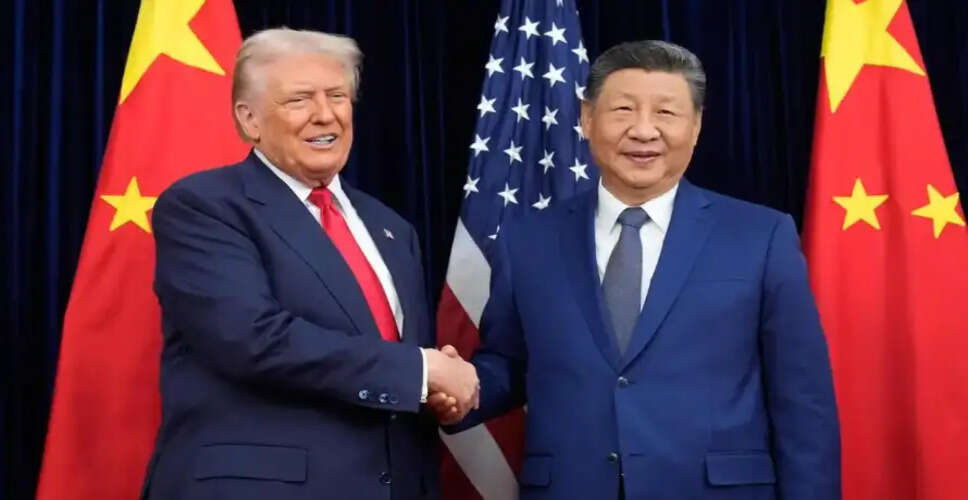

Trump's Arrival in Beijing
On Wednesday evening, US President Donald Trump touched down in Beijing, marking a highly anticipated diplomatic engagement. This visit comes as Trump prepares for crucial discussions with Chinese President Xi Jinping amid escalating global tensions related to Iran, trade uncertainties, and issues surrounding Taiwan. This marks Trump's first trip to China since 2017, occurring at a time when the relationship between the two leading economies is precarious, despite ongoing efforts to stabilize interactions. While trade agreements are a focal point, the US-Iran conflict, energy concerns, and the strategic rivalry between the US and China are expected to dominate discussions. Trump arrived in the Chinese capital at approximately 7:52 PM local time (5:22 PM IST), with formal talks scheduled to commence on Thursday morning (around 7:30 AM IST), followed by a state banquet and ceremonial activities, including a visit to the historic Temple of Heaven.
Iran Conflict Overshadows Discussions
Iran War Casts Shadow Over Summit
While the White House has framed the trip as primarily focused on trade and economic collaboration, the ongoing conflict in Iran looms large over the summit. This war, now in its third month, has raised significant global concerns regarding oil supply, shipping routes, and energy prices. Reports suggest that Washington hopes China will leverage its close relationship with Tehran to encourage Iran to reopen the Strait of Hormuz and engage in broader peace talks. As one of the largest purchasers of Iranian oil, China's involvement is deemed crucial for any potential diplomatic resolution. However, Trump has attempted to downplay the urgency of needing China's assistance, asserting that the US has Iran 'under control,' although he acknowledged plans to discuss the conflict in detail with Xi. The sensitivity of this issue has intensified following a recent visit to Beijing by Iran's foreign minister, highlighting the strengthening ties between China and Iran. American officials are also monitoring reports of potential military or technological cooperation between China and Tehran, which Beijing has denied.
Trade and Economic Negotiations
Trade, Tariffs And Rare Earths Back On The Table
Despite the geopolitical strains, both nations seem keen to avoid a complete economic breakdown. The Trump administration is likely to advocate for increased Chinese purchases of American agricultural products, aircraft, and energy exports while aiming to maintain critical supply chains for US industries. Trade officials from both sides are conducting separate meetings to discuss extending the fragile tariff truce established last year. In contrast, China is expected to use this summit to seek relief from US export restrictions on advanced semiconductors and high-tech products. Additionally, Beijing is pushing for greater access for its companies, particularly electric vehicle manufacturers and tech firms, to the American market. Rare earth minerals, essential for defense systems, batteries, electronics, and AI technologies, are another significant negotiation point, with China currently holding a dominant position in the global supply chain.
Taiwan: A Sensitive Topic
Taiwan Emerges As Another Flashpoint
The issue of Taiwan is anticipated to be one of the most sensitive topics during the summit. China has consistently opposed US military support for Taiwan, which it claims as part of its territory. Chinese officials are reportedly urging Washington to soften its stance on Taiwanese independence and reconsider future arms sales to the island. Trump acknowledged prior to his departure that Xi would likely address the Taiwan issue directly. However, US officials have maintained that there are no plans for a significant shift in Washington's Taiwan policy. The Taiwan issue has gained heightened strategic importance due to the island's critical role in global semiconductor manufacturing and advanced AI chip production, which are central to the US-China technological rivalry.
Focus on AI and Technology
AI, Technology And The Battle For Future Dominance
Artificial intelligence and advanced technology are expected to be prominent topics during discussions between the two leaders. Both Washington and Beijing view AI as vital for future economic growth, military power, and geopolitical influence. The US has imposed several restrictions on the export of advanced AI chips and semiconductor technology to China, citing national security concerns. Beijing has criticized these measures as attempts to hinder China's progress. This summit occurs as China has rapidly enhanced its domestic capabilities in AI, robotics, and green technology, reducing its reliance on Western technology compared to Trump's first term.
Significance of the Summit
A Meeting With Global Consequences
This summit holds significant political and strategic weight for both leaders. Trump is seeking a diplomatic and economic victory amid pressures from the Iran conflict and inflation concerns at home. Xi, on the other hand, desires stability in US-China relations as China faces slowing economic growth and a fragmented global landscape. While expectations for groundbreaking agreements are low, even modest progress on trade, technology, or geopolitical coordination could have substantial implications for global markets and international diplomacy in the coming months.