
Trump's Controversial Remarks on Birthright Citizenship and China
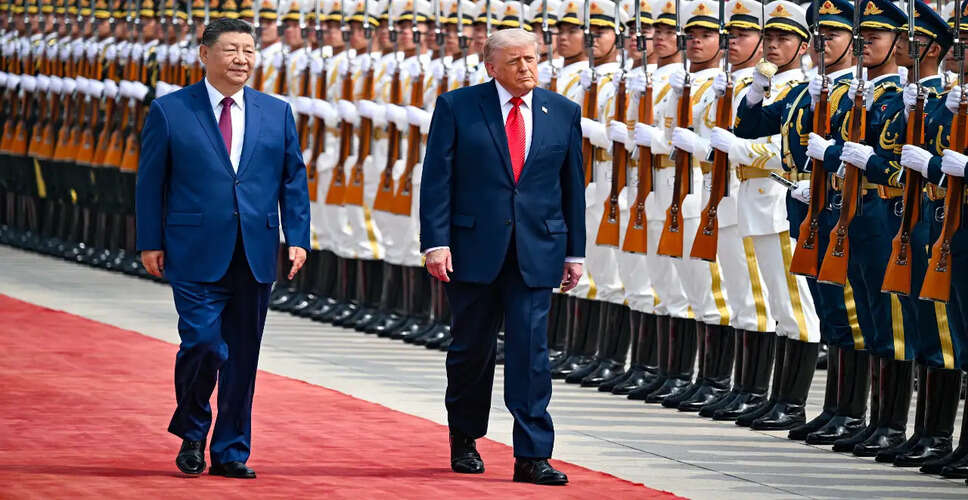

Trump's Sarcastic Congratulations to Xi Jinping
On Tuesday, former President Donald Trump ignited a new wave of controversy by sarcastically congratulating Chinese President Xi Jinping. This comment followed the US Supreme Court's decision to uphold birthright citizenship. Trump took to Truth Social to express, "I would like to congratulate President Xi, and the Great Country of China, on their massive Birthright Citizenship WIN!" This statement came shortly after the Supreme Court dismissed Trump's attempts to restrict birthright citizenship, marking a significant blow to his immigration policy agenda.
Trump's remarks alluded to the pivotal 1898 Supreme Court case, United States v. Wong Kim Ark, which affirmed that most children born on US soil are automatically granted American citizenship under the 14th Amendment. Wong Kim Ark, born in San Francisco in 1873 to Chinese immigrant parents, faced challenges to his citizenship upon returning from abroad. The Supreme Court ultimately ruled in his favor, establishing a legal precedent for birthright citizenship in the United States.
By congratulating Xi Jinping, Trump seemed to imply that individuals born in the US to Chinese parents have historically benefited from this ruling.
Supreme Court's Ruling on Birthright Citizenship
What Did Supreme Court Say When Upholding Birthright Citizenship?
The Supreme Court voted 6-3 to maintain the principle of birthright citizenship, affirming that the Citizenship Clause of the 14th Amendment guarantees automatic US citizenship to children born in the country, regardless of their parents' immigration status. Chief Justice John Roberts referenced the United States v. Wong Kim Ark case, emphasizing that there was no reason to deviate from this long-standing constitutional interpretation.
Trump has consistently claimed that birthright citizenship promotes illegal immigration and "birth tourism." On his first day back in office, he signed an executive order aimed at denying automatic citizenship to children born in the US to parents who are either undocumented or hold temporary legal status. This order sought to reinterpret the 14th Amendment, arguing that such children are not "subject to the jurisdiction" of the United States and thus do not qualify for automatic citizenship. The goal was to restrict citizenship to children of US citizens or lawful permanent residents who have established their "domicile" in the country.