
Trump's Call for Arab Nations to Fund US-Israeli Military Actions Against Iran
US President's Interest in Arab Financial Support
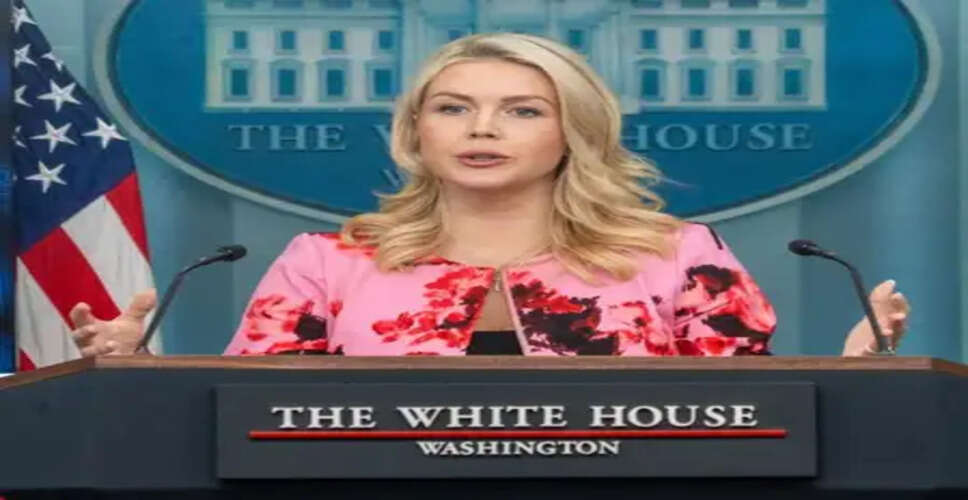
Washington: According to White House Press Secretary Karoline Leavitt, President Donald Trump is keen on encouraging Arab nations to contribute financially to the ongoing military efforts against Iran, which involve the US and Israel.
Leavitt mentioned during a press briefing, "I won’t preempt him on that, but it’s certainly an idea he is considering, and you can expect to hear more about it from him soon."
Earlier this month, Pentagon officials informed Congress that the Trump administration incurred over $11.3 billion in expenses within the first six days of the conflict with Iran, as reported by a news agency.
This amount does not account for damages from battles or losses, which could add an estimated $1.4 billion to $2.9 billion in costs over the initial three weeks of the war, according to a report from the Wall Street Journal citing Elaine McCusker, a former Pentagon budget official.
The White House is requesting at least $200 billion in additional military funding from Congress to support the campaign in Iran and to restock the Pentagon’s ammunition supplies.
Leavitt reiterated the administration's stance that the rise in energy prices will be overshadowed by the strategic advantage gained from diminishing Iran's influence.
She stated, "As we have consistently communicated, these are temporary measures and price changes that will ultimately lead to the long-term goal of neutralizing the threat posed by Iran to the United States, our military personnel, and our allies in the region."
Unlike the Gulf War, where the US led a wide-ranging international coalition with UN support following Iraq's invasion of Kuwait, the current situation with Iran sees the US and Israel operating largely independently, lacking a similar coalition or formal regional backing.