
Trump's Address on Iran Conflict: A Clash of Narratives
Trump's Confident Claims Amid Ongoing Tensions
In his inaugural primetime speech following the escalation of hostilities in Iran, Donald Trump expressed strong confidence, asserting that Iran's military capabilities had been significantly weakened. He declared that the nation's navy had been effectively eliminated and its air force was in disarray, framing Operation Epic Fury as a mission nearing its conclusion. His assertive tone aimed to convey that the United States had gained a decisive advantage.
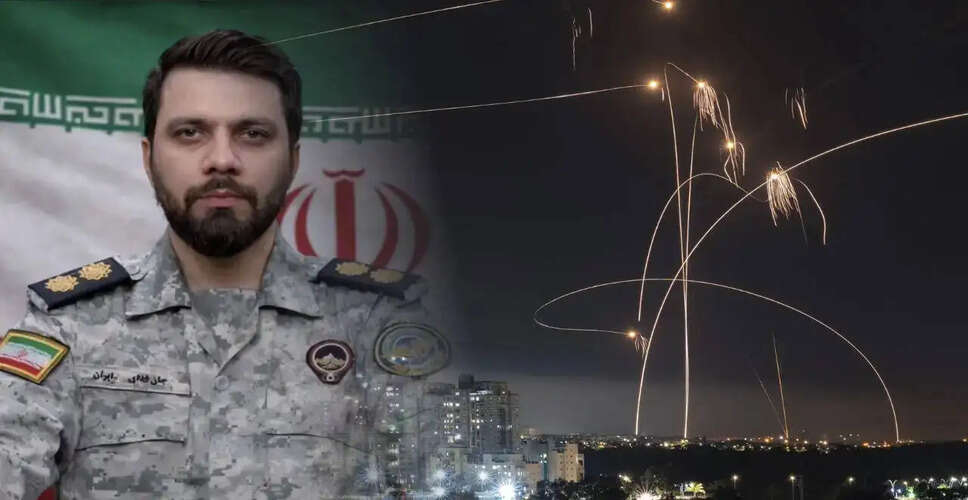
However, shortly after these claims, the reality on the ground seemed to contradict his assertions. The Israel Defense Forces reported detecting missile launches from Iran, which activated air raid sirens in various regions of Israel. This prompted the activation of air defense systems to counter incoming threats, indicating that the conflict was far from resolved.
#Trump: "I have completely destroyed #Iran’s missile capabilities." Air raid sirens currently blaring across #Israel: Must be a meteor shower from Mars!#MarsMissiles#TrumpLogic pic.twitter.com/qj16GGDUyR
— Consulate General of the I.R. Iran in Mumbai (@IRANinMumbai) April 2, 2026
The timing of these missile alerts drew significant attention, as the narrative of military superiority was quickly challenged by unfolding events.
Iran's Swift and Sarcastic Response
Tehran Responds With Mockery And Messaging
Iran's reaction was immediate and pointed. The Iranian Consulate in Mumbai utilized social media to ridicule Trump's assertions, stating: “Trump: ‘I have completely destroyed Iran’s missile capabilities.’ Meanwhile, air raid sirens are sounding across Israel: Must be a meteor shower from Mars!” This comment blended sarcasm with strategic messaging, directly questioning the credibility of the U.S. stance.
In a subsequent statement, the consulate countered the rhetoric suggesting Iran should be reduced “to the Stone Age,” asserting that ancient civilizations like Iran's do not need to be made “great again” because they inherently are. This language reflects Tehran's broader strategy to portray itself as resilient in the face of ongoing military pressure.
The Ongoing Conflict Lacks Resolution
A War Without Clear Closure
This exchange underscored a parallel battleground — the realm of perception. While missiles and interceptors defined the tangible conflict, the statements and counter-statements shaped global understanding of the situation. In this context, messaging holds as much weight as military actions.
Despite Trump's assertive address, it provided little clarity on how the conflict might conclude. He reiterated that Iran must not be permitted to develop nuclear weapons, labeling it an “intolerable threat,” yet failed to specify how current operations had effectively mitigated that risk. The lack of a clearly defined end-state continues to be a persistent characteristic of the ongoing war.