
Trump's Address: A Complex Narrative on U.S. Independence from Middle Eastern Oil
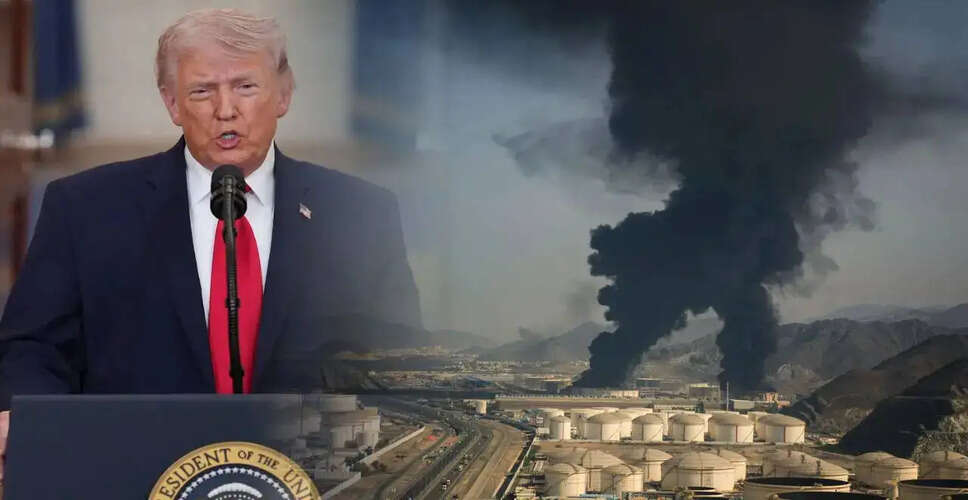
Trump's Primetime Address on Iran Policy
In a pivotal primetime speech, Donald Trump articulated his stance on Iran, declaring, “We’re now totally independent of the Middle East… We don’t need their oil. We don’t need anything they have — but we’re there to help our allies.” This statement seemed aimed at reassuring the American public amidst rising fuel prices and oil market instability, framing the conflict as a strategic commitment rather than a resource-driven endeavor.
🇺🇸 “We don’t need the Middle East.”Trump says the U.S. is now independent—no need for oil,no need to stay…just there to “help.” pic.twitter.com/wPCR57FQok
— SilencedSirs◼️ (@SilentlySirs) April 2, 2026
Ongoing Conflict Amidst Claims of Independence
Despite emphasizing U.S. independence, Trump acknowledged that military operations would persist for an additional “two to three weeks” to “finish the job.” He described the ongoing campaign, dubbed Operation Epic Fury, as nearing a critical phase, asserting that Iran’s military capabilities had been significantly weakened, claiming its navy was decimated and its air force in shambles.
Trump on Iran: "We are going to hit them extremely hard over the next 2–3 weeks. We are going to bring them back to the Stone Ages, where they belong."(Reposted to correct clip) pic.twitter.com/jt91tK1lCa
— AZ Intel (@AZ_Intel_) April 2, 2026
The conflict's origins can be traced back to U.S.-Israeli actions that resulted in the assassination of Ayatollah Ali Khamenei, escalating regional tensions. However, the address lacked clarity regarding the end goals, offering no specific diplomatic solutions or a vision for what ‘completion’ would entail.
Contradictions in U.S. Military Engagement
The speech highlighted a growing contradiction: if the U.S. is truly independent from Middle Eastern oil, why maintain such a strong military presence in the region? Trump justified this by framing the conflict as support for allies like Israel and Gulf nations, positioning the U.S. as a stabilizing force. Yet, this rationale does not fully resolve the contradiction, as global oil markets remain interconnected, and disruptions in the Gulf continue to affect prices, impacting American consumers.
Domestic Pressures Influencing the Address
The political context surrounding the address cannot be overlooked. Recent polls indicate a decline in Trump’s approval ratings, particularly regarding economic issues, with his economic favorability dropping to approximately 31%. Concurrently, rising fuel prices, exacerbated by the Iran conflict, have increased pressure on the administration ahead of upcoming mid-term elections. Thus, the speech seemed as much about managing domestic perceptions as it was about asserting international resolve.
Unclear Objectives Amidst Military Strength
Trump reiterated the U.S. commitment to “finish the job” once its “core strategic objectives” were met, which he described broadly as dismantling Iran’s capabilities and stabilizing the region. However, the criteria for success remain vague. Military claims of degradation do not necessarily equate to strategic resolution, especially when considering the complexities of regional actors and economic factors.
Balancing Messaging with Reality
Ultimately, the address aimed to convey control over the war, markets, and public sentiment. It illustrated the delicate balance the administration faces: asserting strength and independence while grappling with ongoing military involvement, economic repercussions, and domestic political pressures. While the administration claims the conflict is nearing its conclusion, the lack of a clearly defined exit strategy raises questions about the sustainability of the assertion that “we don’t need their oil.”