
Trump Signals Potential Military Action Against Iran Amid Tensions

Renewed Threats from the US President
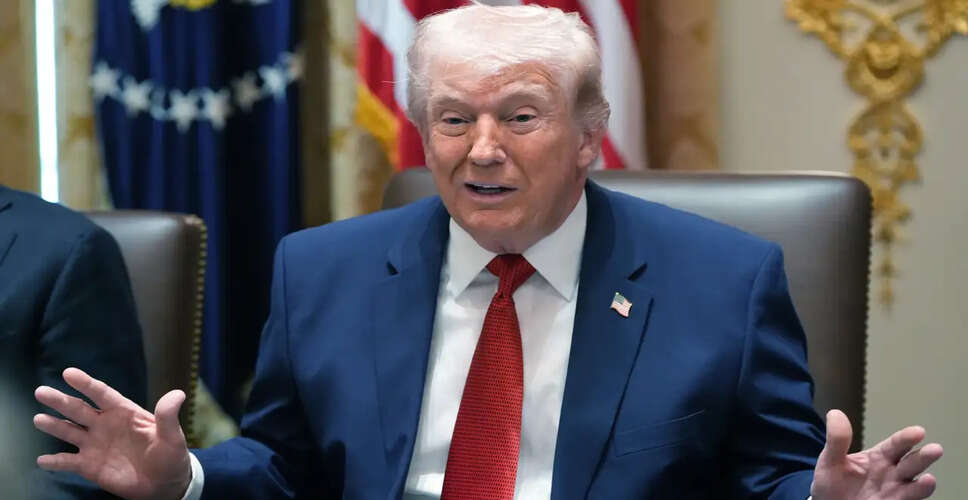
President Donald Trump has reiterated his threats of military intervention against Iran, indicating that the United States may initiate new strikes within a matter of days. This comes despite diplomatic appeals from Gulf allies for restraint. During a press conference on Tuesday, Trump expressed a desire to avoid further conflict but acknowledged that additional military action is being actively considered. “I hope we don’t have to go to war, but we might need to deliver another significant blow,” he stated. When questioned about the timeline for a decision, he mentioned, “Two or three days, possibly Friday, Saturday, or Sunday; perhaps early next week — a limited timeframe.” These comments followed Trump's assertion that regional partners, including the United Arab Emirates and Saudi Arabia, had requested a temporary halt to planned military actions against Iran.
Ongoing Tensions in the Strait of Hormuz
The fragile ceasefire established on April 8, which ended weeks of hostilities involving the US, Israel, and Iran, is now under scrutiny. Although active military engagements have ceased for the moment, the underlying issues remain unresolved. The US continues to demand that Iran dismantle its nuclear program, while Iran maintains that its nuclear activities are solely for civilian energy purposes and refuses to yield to military pressure. Central to this standoff is the Strait of Hormuz, a crucial maritime route for global oil and gas supplies. Despite suffering significant losses from previous US-Israeli strikes, Iran has retained the capability to disrupt maritime traffic in the area.
Impact on Global Energy Markets
This ongoing pressure on shipping routes in the Gulf has caused instability in global energy markets. Although Brent crude prices dipped slightly following Trump's latest comments, they remain significantly higher than pre-conflict levels, having surged over 50% since the onset of hostilities earlier this year. Fuel prices in the United States have also reached their highest point in nearly four years.
Increased US Military Presence
In response to the escalating situation, the US military's Central Command has bolstered its maritime operations in the Gulf. Reports indicate that CENTCOM has redirected 88 vessels and disabled four while conducting blockade-related operations near the Strait of Hormuz. The regional landscape remains precarious, highlighted by a recent drone strike on the UAE’s Barakah nuclear facility, which ignited a fire at a power station and necessitated the activation of emergency protocols. Although the United Nations’ nuclear watchdog confirmed that normal operations were restored, this incident illustrates the potential for the conflict to extend to critical Gulf infrastructure.