
Trump Signals Possible Diplomatic Talks with Iran Amid Rising Tensions
Diplomatic Opening After Air Strikes
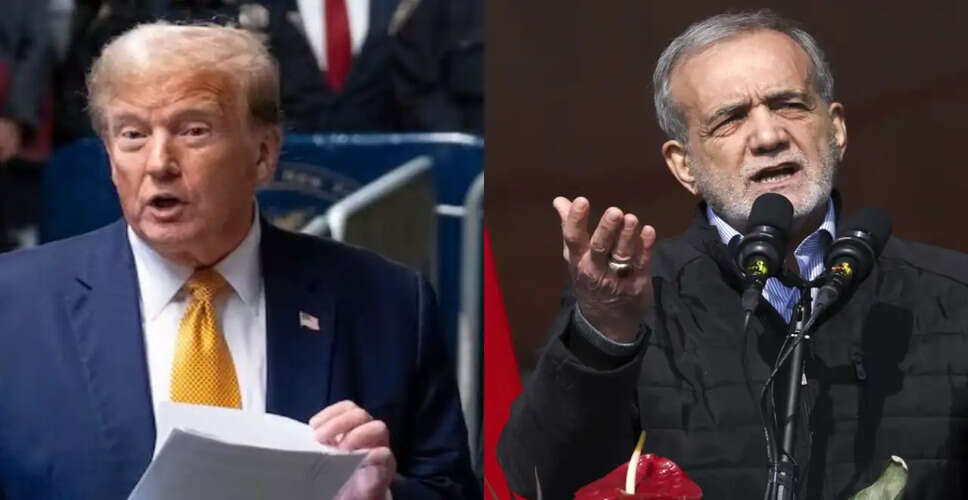
Following the recent US-Israel air strikes that resulted in the death of Ayatollah Ali Khamenei, President Donald Trump announced that Iran's new leadership has expressed interest in dialogue. In a phone interview with a prominent publication, Trump hinted at a potential diplomatic avenue, even as military actions persist and tensions soar to unprecedented levels. He stated, “They want to talk, and I have agreed to talk, so I will be talking to them,” while also suggesting that Iran should have initiated discussions earlier to prevent the escalation. “They should have done it sooner,” he remarked.
While Trump did not specify when these talks might commence, he acknowledged the significant loss of key Iranian negotiators due to the strikes, stating, “Most of those people are gone.” His comments followed a public appeal to the Iranian populace to challenge their government, suggesting that the military actions could lead to internal political shifts.
When questioned about the US's potential military response if unrest escalates, Trump refrained from committing to a definitive strategy, indicating that future actions would depend on the evolving situation. He also noted signs of support for change among some Iranians and expatriates, despite reports of both pro- and anti-government protests.
As US military officials confirmed the first American casualties from the operation, Trump maintained that the strikes would not hinder his domestic agenda or economic goals, asserting that the US economy remains robust and oil prices may stabilize. He defended the strikes as a necessary response to decades of conflict with Tehran, while his openness to negotiations suggests a complex diplomatic landscape ahead, fraught with the risk of retaliation and broader regional conflict.