
Trump Sets Firm Deadline for Iran Negotiations Amid Ongoing Tensions
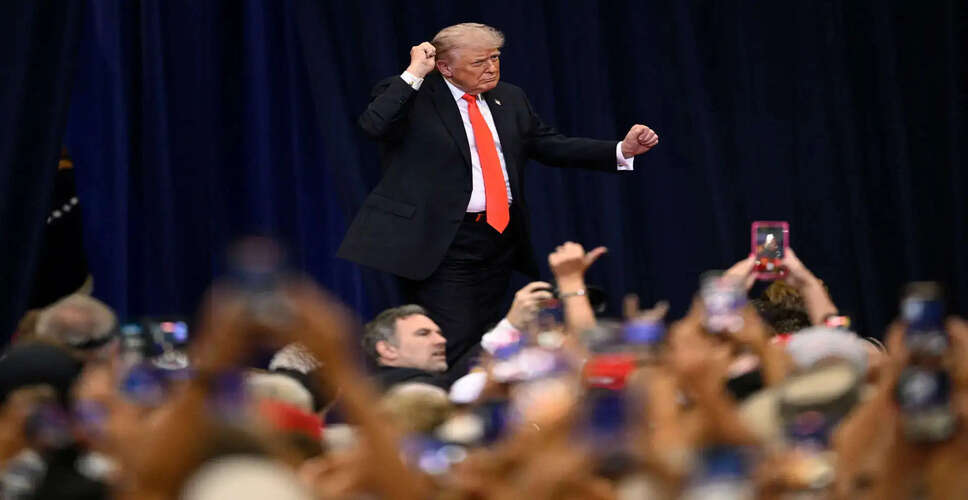

Trump's Ultimatum to Iran
As the 60-day negotiation period with Tehran approaches its conclusion, President Donald Trump has issued a warning to mediators, indicating that discussions will not extend beyond this timeframe. According to sources, Trump has emphasized the necessity for Iran to respond swiftly. While there has been some advancement regarding Iran's frozen assets, significant disagreements persist regarding the amount of funds to be released and the timeline for this action.
On Friday, a senior advisor to Iran's Supreme Leader urged Trump to make decisions free from Israeli influence, lift the blockade in the Strait of Hormuz, and release Iran's assets that are currently frozen. Mohsen Rezaei, a military advisor to Supreme Leader Mojtaba Khamenei, stated in an exclusive interview that the negotiations are currently stalled and called for Trump to take decisive action to resolve the impasse. He asserted that the release of these assets is a crucial test for the U.S. if they wish to reach an agreement with Iran.
Rezaei dismissed the possibility of a meeting between Trump and Khamenei, stating that such an event is unlikely at this stage of negotiations, which he described as being at a standstill. However, Trump expressed a willingness to meet with Khamenei if a peace agreement is reached.
Current Status of Iran-US Ceasefire
Following a ceasefire that began on April 8 after 40 days of conflict, diplomatic efforts have been initiated between Iran and the United States, facilitated by Pakistan. The two nations have exchanged various proposals in recent weeks, aiming to establish conditions for peace and finalize a memorandum of understanding to conclude the hostilities.
Since February 28, Iran has tightened its control over the Strait of Hormuz, restricting the passage of vessels linked to Israel and the U.S. in response to joint military actions against Iran. The U.S. has also enforced a naval blockade in the strait, hindering maritime traffic to and from Iranian ports. Recent days have seen escalating tensions, with both the U.S. and Iran engaging in renewed attacks.
Officials have indicated that the U.S. and Iran have reached a preliminary memorandum of understanding to extend the ceasefire for an additional 60 days and commence negotiations aimed at a permanent resolution to the conflict starting May 28.