
Trump Proposes US Control Over Strait of Hormuz Amid Rising Tensions
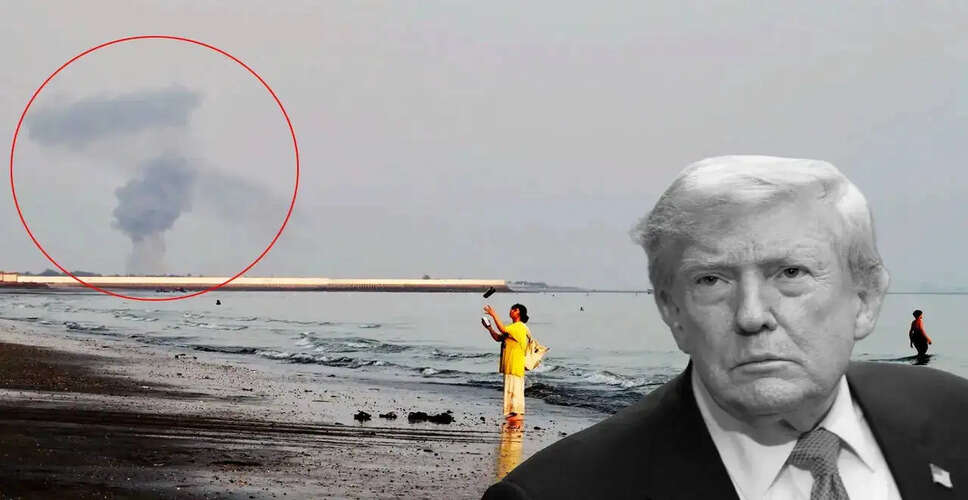

US President's Bold Claims on Strait of Hormuz
President Donald Trump of the United States has asserted that the nation will assume control over the Strait of Hormuz, emphasizing that the US should receive compensation for managing this crucial maritime route. His comments follow a weekend marked by a series of attacks across the Middle East, which have further complicated diplomatic efforts aimed at resolving the ongoing conflict that escalated on February 28. In a phone interview with Fox News, Trump stated, "We’re going to keep the strait, and we’ll probably run it. We'll become the guardian of the strait. Maybe we’ll call it the guardian angel of the strait. And we should be reimbursed for that."
Trump criticized Iran's negotiation tactics, stating, "They have nothing... yesterday, they had an 11-hour meeting... and everything was agreed to yesterday, and they leave the room, and they call back and they say, 'we had to make a couple of changes'... for 47 years, they've been tapping people along... this should've been done 47 years ago." He also mentioned that the Strait of Hormuz remains open for commercial shipping, despite ongoing hostilities between the US and Iran that have raised safety concerns on this vital oil transport route.
Furthermore, Trump claimed that Iran had agreed to what he termed a "perfect deal" with the US, only to launch a drone strike on a commercial vessel shortly after the agreement was reached. He remarked, "They agreed to a deal yesterday. Perfect deal for us. No nuclear. They gave up everything. And then after that, they left the room, and within an hour they launched a drone at a ship."
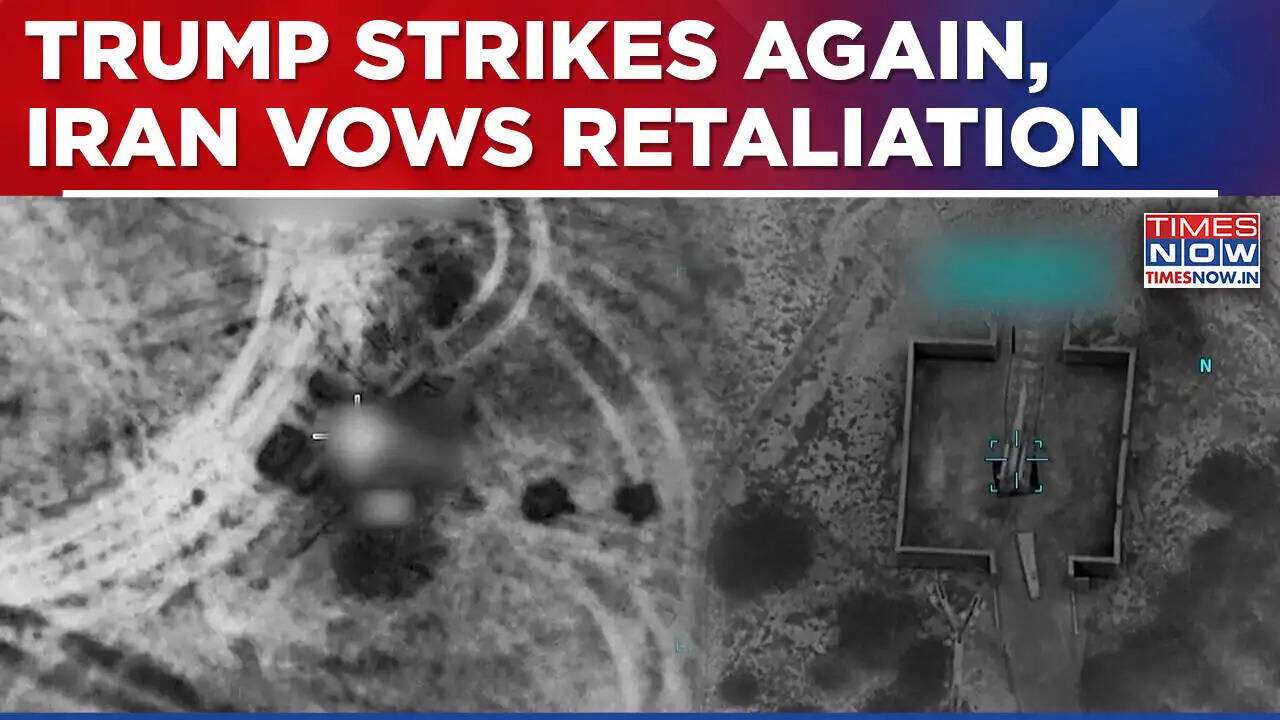
Escalating US-Iran Hostilities
The recent cycle of retaliatory attacks was ignited when a container ship was targeted in the strait near Oman. The strategic entrance to the Persian Gulf has experienced significant shipping disruptions since the onset of the US-Israel-Iran conflict. The US military's Central Command (CENTCOM) reported that its forces conducted strikes on numerous sites, including air defense systems, radar installations, and missile and drone equipment. Additionally, missile alert sirens were activated three times in Bahrain, where the US Navy’s 5th Fleet is stationed, while Kuwait reported intercepting hostile fire.