
Trump Proposes Controversial Solutions for Global Oil Supply Crisis
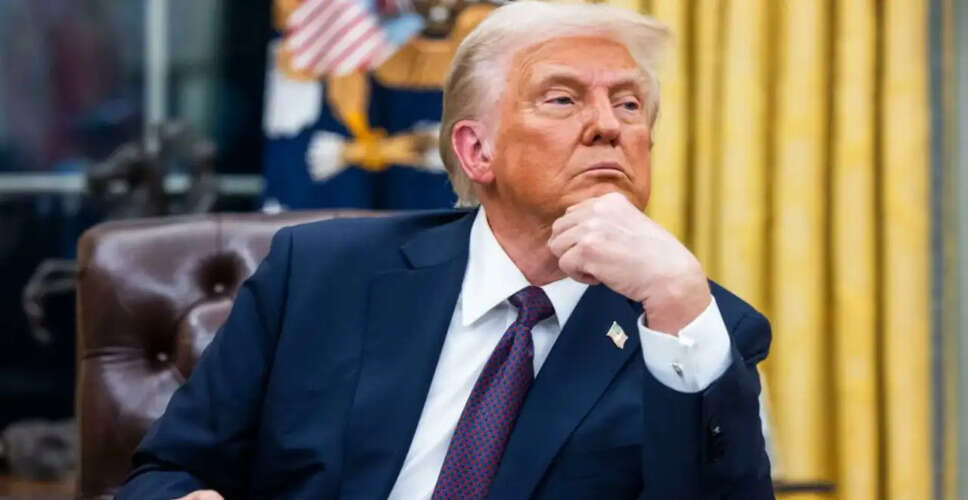
Trump's Bold Suggestions Amid Oil Supply Disruption
In response to the ongoing disruptions in global oil supplies due to the conflict in Iran, President of the United States, Donald Trump, has presented two stark alternatives. He proposed that nations could either "purchase oil from the United States" or "go to the Strait of Hormuz and simply take it." Trump expressed optimism that the situation in this vital shipping route would stabilize, asserting that it would "naturally open up," despite the prevailing tensions affecting energy markets.
Trump emphasized that the U.S. does not import oil from the Strait of Hormuz and will not require it in the future. He urged countries dependent on this passage to take responsibility and lead the charge. For those unable to do so, he reiterated the option to "buy oil from the U.S." He encouraged nations to "summon some delayed courage and take it, protect it, and utilize it for themselves," claiming that "the hard part is done" and that the strait will eventually open up.
He stated, "Go to the strait and just take it, protect it, use it for yourselves. The hard part is done, so it should be easy." These comments reflect Trump's intention to conclude the conflict in Iran without regaining control over the Strait. Iran has effectively blocked this crucial passage, which accounts for 20-25% of the world's oil flow, leading to a global energy crisis that has significantly increased oil and gas prices.
The crisis in West Asia escalated on February 28 when the U.S. and Israel conducted joint military operations against Iran, resulting in the death of Supreme Leader Ayatollah Ali Khamenei. In retaliation, Iran launched attacks on both U.S. and non-U.S. targets throughout the region. During his address on Wednesday, Trump indicated that the U.S. would continue its strikes against Iran in the coming "two to three weeks," aiming to revert the country to a state reminiscent of the Stone Ages.