
Trump Issues Ultimatum to Iran Over Strait of Hormuz Amid Ongoing Conflict
Trump's Warning to Iran
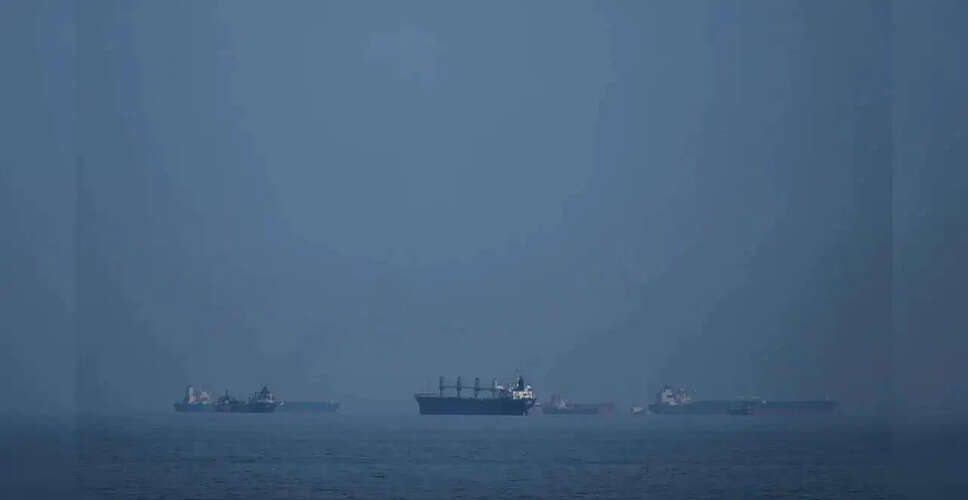
In a bold statement early Sunday, US President Donald Trump warned Iran that it has 48 hours to reopen the Strait of Hormuz or face severe consequences, including the destruction of its power plants. Trump declared on Truth Social, "If Iran doesn't FULLY OPEN, WITHOUT THREAT, the Strait of Hormuz, within 48 HOURS from this exact point in time, the United States of America will hit and obliterate their various POWER PLANTS, STARTING WITH THE BIGGEST ONE FIRST!" This warning comes as the conflict between the US-Israel alliance and Iran continues into its fourth week, with no resolution in sight.
Iran's Defiant Response
Iran's Response
Iranian President Masoud Pezeshkian responded defiantly on social media, interpreting Trump's ultimatum as a sign of weakness. He stated, "The illusion of erasing Iran from the map shows desperation against the will of a history-making nation. Threats and terror only strengthen our unity. The Strait of Hormuz is open to all except those who violate our soil. We firmly confront delirious threats on the battlefield." Other Iranian officials echoed this sentiment, emphasizing that Iran did not initiate the conflict but would vigorously defend its territory.
Iran's Position on the Strait
Iran's Position on the Strait
Iran has consistently asserted that the Strait of Hormuz is not entirely closed, but rather restricted to its adversaries. Ali Mousavi, Iran's representative to the International Maritime Organization, stated that the waterway remains accessible to all nations except those attacking Iran. Since the onset of the conflict, Iran has permitted friendly nations, including China and India, to navigate safely through the strait.
Implications for Global Energy
The Threat to Global Energy
The implications of this standoff extend beyond the immediate conflict. Mohammad Bagher Ghalibaf, the speaker of Iran's Parliament, warned that any assault on Iranian infrastructure would render energy facilities across the region legitimate targets, leading to their irreversible destruction. He cautioned that such actions could trigger another surge in oil prices, which have already increased by approximately 50% since the conflict began on February 28th. The Strait of Hormuz is crucial, handling about 20% of global oil shipments daily. With Iranian officials threatening to close it entirely in retaliation for any attacks on power plants, the 48-hour ultimatum issued by Trump has heightened tensions in energy markets.