
Trump Issues Stark Warning to Iran Amid Naval Blockade in Strait of Hormuz

Trump's Warning to Iran
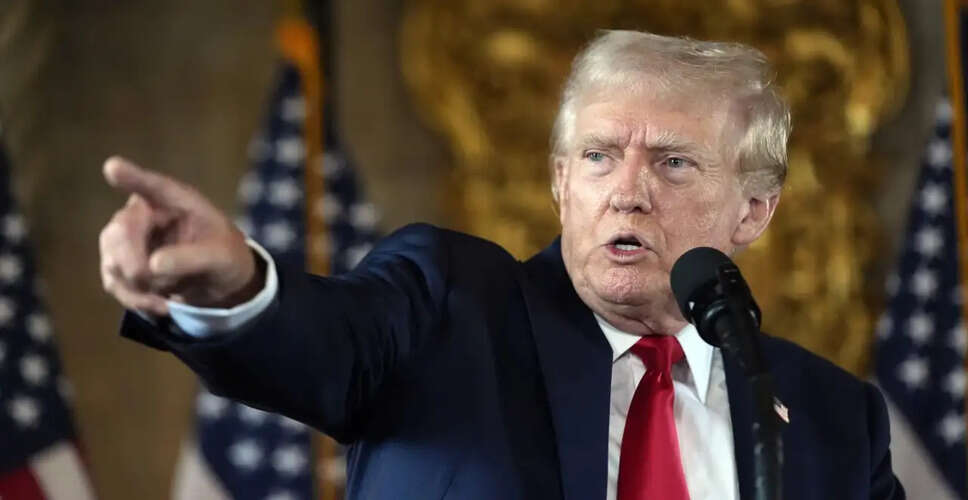
On Monday, US President Donald Trump delivered a stern message to Iran, indicating that any Iranian naval vessels approaching the American blockade in the Strait of Hormuz would be swiftly destroyed, similar to the tactics used against drug-smuggling boats in South America. In a post on Truth Social, Trump reiterated his assertion that Iran's navy had been 'completely obliterated,' claiming that 158 ships now rest 'at the bottom of the sea.' He mentioned that the US had spared a few of what Iran refers to as 'fast attack ships,' which were deemed a minimal threat at the time. 'Warning: If any of these ships come anywhere close to our BLOCKADE, they will be immediately ELIMINATED, using the same system of kill that we use against the drug dealers on boats at Sea. It is quick and brutal,' Trump stated. He also added a note claiming that 98.2% of drugs entering the US by sea had now 'STOPPED.'
Context of the Escalation
This warning comes as the US military initiated a naval blockade on all Iranian ports and coastal areas starting at 10 a.m. ET (7:30 p.m. IST) on Monday. This action follows the breakdown of peace talks between US and Iranian officials in Pakistan over the weekend, which failed to reach an agreement, particularly regarding Iran's nuclear ambitions. US Central Command clarified that the blockade is aimed at vessels entering or leaving Iranian ports but will not disrupt ships passing through the Strait of Hormuz to non-Iranian destinations. However, mariners have been cautioned about a significant military presence in the region. In response, Iran has threatened to retaliate against ports in the Persian Gulf and Gulf of Oman that are allied with the US, labeling the blockade an 'act of piracy.' Tehran has accused the US of attempting to suffocate its economy while maintaining its own restrictions on shipping through the strait.
Impact on Global Oil Supply
The Strait of Hormuz, a critical passage for approximately 20% of the world's traded oil, has experienced a notable decline in traffic since the onset of the conflict in late February. Iran's effective control over the waterway has led to a sharp increase in oil prices, raising costs for gasoline, food, and other goods globally. Reports suggest that some ships viewed as friendly to Iran have been permitted passage in exchange for hefty fees, leading to accusations that Tehran is manipulating global energy markets. The current fragile ceasefire, which has been tenuous since earlier strikes, now faces new risks of collapse as both sides engage in this high-stakes naval standoff. There have been no immediate reports confirming direct clashes as the US blockade commenced. This latest exchange highlights the ongoing tensions in the region following weeks of US and Israeli military actions against Iranian targets, which have significantly weakened Iran's naval and air capabilities.