
Trump Hints at Potential Shift in US-Cuba Relations Amid Ongoing Iran Conflict
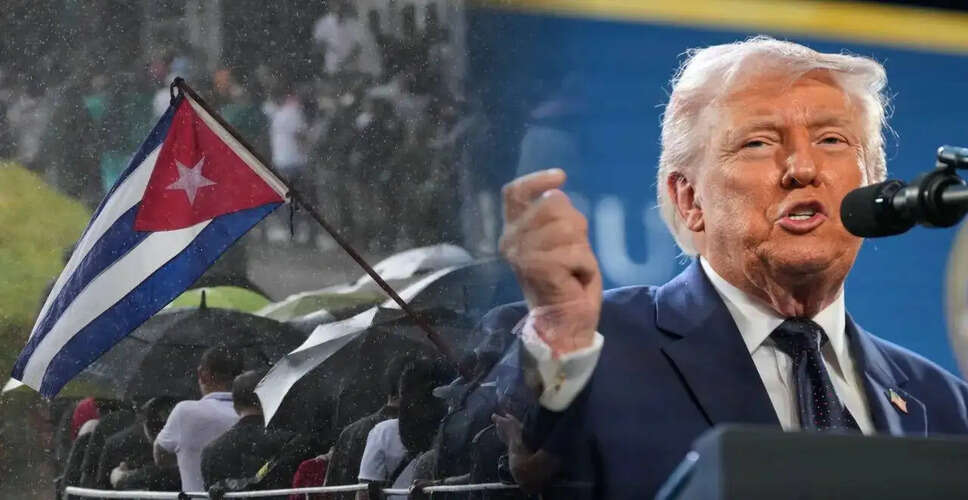
Trump's Signals on Cuba
President Donald Trump has indicated that the United States might soon make a significant decision regarding Cuba, even as it remains deeply involved in the ongoing conflict in Iran. While speaking to reporters aboard Air Force One, Trump mentioned that developments concerning Cuba could progress rapidly once the situation in Iran stabilizes. He noted that discussions with Cuban officials are already underway, but emphasized that the immediate focus of the administration is on the Iran conflict. “I think we will pretty soon either make a deal or do whatever we have to do,” Trump stated during the flight.
JUST IN - Trump: "Something will happen with Cuba pretty quickly" pic.twitter.com/0bmepdaZeX
— Insider Paper (@TheInsiderPaper) March 16, 2026
Trump also remarked that the Cuban situation has been a longstanding issue in American politics, stating, “People have been waiting 50 years to hear this story with Cuba.” His comments come amid strained relations between the two nations, following years of sanctions and diplomatic tensions. This has reignited speculation about potential changes in US-Cuba relations, including the possibility of new negotiations or increased pressure on the Cuban government. The Trump administration has consistently intensified pressure on Havana, particularly through economic sanctions and restrictions on energy supplies.
Impact of US Sanctions on Cuba
US Sanctions And Fuel Blockade Deepen Crisis
Recent US policy measures have led to a significant economic crisis in Cuba, particularly concerning energy imports. Reports indicate that a US energy blockade has drastically limited Cuba's ability to import oil and other fuels, exacerbating the ongoing electricity crisis on the island. Local media and officials have noted that Cuba has not received any oil imports for over two months, severely impacting power generation. Consequently, many regions are experiencing prolonged electricity outages, lasting more than twenty hours daily, disrupting daily life across various provinces.
The deteriorating conditions have sparked signs of unrest in some areas. In Morón, a central Cuban city, protesters reportedly clashed with authorities, throwing rocks and setting fire to a local Communist Party office during recent demonstrations. State-run newspaper Granma reported that five individuals were arrested, and one person required hospitalization. While such protests are relatively uncommon in Cuba, they have occurred sporadically during times of economic hardship. Authorities in Havana have not indicated any immediate changes to their security measures following these events.
Cuban Officials Confirm Ongoing Discussions
Havana Confirms Talks With Washington
Despite the existing tensions, Cuban officials have stated that communication channels with Washington remain active. President Miguel Díaz-Canel confirmed that representatives from both governments have been engaged in discussions aimed at resolving disputes. He mentioned that the talks are focused on exploring “potential solutions for our bilateral differences,” although he did not provide specific details about the negotiations or whether they might lead to a broader diplomatic agreement.
US-Cuba relations have fluctuated significantly over the decades, alternating between diplomatic engagement and periods marked by sanctions and political confrontations. Trump's recent comments suggest that the administration may soon decide whether to pursue negotiations with Havana or escalate pressure on the Cuban government. For the time being, however, the primary focus of Washington remains on the conflict in Iran, which continues to dominate US foreign policy. Should the situation in the Middle East stabilize in the coming weeks, analysts predict that the White House may redirect its strategic focus toward developments in the Caribbean, potentially reopening one of the longest-standing geopolitical disputes in the Western Hemisphere.