
Trump Hints at Possible Military Action Against Iran Amid Congressional Opposition

Potential Military Action Against Iran
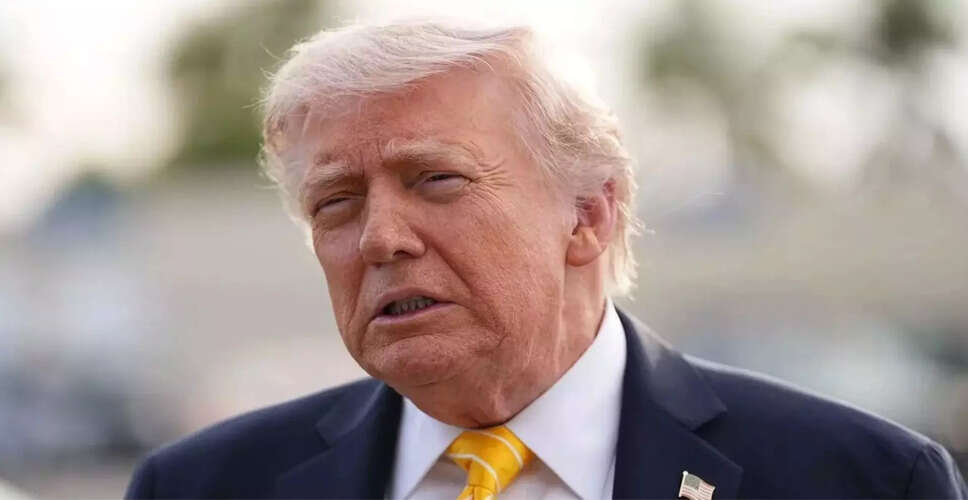
File image of US President Donald Trump(Photo: X)
Washington, Nov 6: On Thursday, US President Donald Trump suggested the possibility of escalating military actions against Iran, coinciding with senior House Democrats who are preparing to push for votes aimed at concluding the conflict and seeking clarity on its objectives and financial implications.
During a press briefing at the White House, Trump stated, “I would prefer not to devastate the entire country, but that may be necessary. You will find out soon enough.”
He did not specify any timeline or targets for potential military operations and did not indicate that new strikes had been authorized.
This warning came as Democrats outlined their foreign policy strategy for the upcoming Congress, with Representative Gregory Meeks vowing to introduce resolutions aimed at ending the conflict, while Democratic Whip Katherine Clark raised concerns regarding its objectives and exit strategy.
These comments were made prior to Trump’s latest statements, highlighting the congressional resistance to his approach towards Iran rather than responding directly to his warning.
In an event at the Oval Office, Trump defended the military efforts and mentioned that a decision regarding further actions would be forthcoming. He reiterated his stance that Iran should not be allowed to develop nuclear weapons.
When questioned about proposals related to Tehran’s nuclear ambitions, he remarked, “They are not proceeding without our consent.”
Trump did not validate any specific proposals or outline a negotiating framework, leaving the extent of potential military actions and diplomatic options unclear.
Meeks, who is the leading Democrat on the House Foreign Affairs Committee, detailed his intentions in a letter dated November 4, seeking support from colleagues to assume the chairmanship.
“Legislatively, I plan to bring resolutions to the floor aimed at immediately ending the President’s military engagement with Iran and will prioritize restoring Congress’s rightful role in shaping American foreign policy,” he stated.
The letter also called for public testimonies from senior officials regarding the Iran conflict, Venezuela, and issues surrounding congressional authority over military actions and trade.
Meeks was outlining a proposed legislative and oversight agenda, but the letter did not set a date for a vote or specify a new resolution to fulfill that commitment.
Earlier, Clark informed CNN that Democrats would question the administration about ongoing funding for the conflict and the strategy for safely returning American troops.
Her office shared excerpts from the interview before Trump’s afternoon comments.
Clark criticized the president for leading the nation into “a reckless war without a clear exit strategy or defined goals,” attributing rising household fuel costs to the conflict.
She emphasized that Democrats would seek discussions regarding the administration’s aims and how to conclude the war while ensuring the safety of Americans and US troops.
The two Democrats highlighted different strategies for challenging the administration: Meeks focused on resolutions and testimonies, while Clark concentrated on funding, public expenses, and exit strategies. Neither statement imposed new restrictions on the president.
The conflict in the Gulf region also impacts significant Asian energy importers, including India. The International Energy Agency identifies the Strait of Hormuz as a vital oil transit route, with India, China, and Japan being key destinations for oil transported through this waterway.