
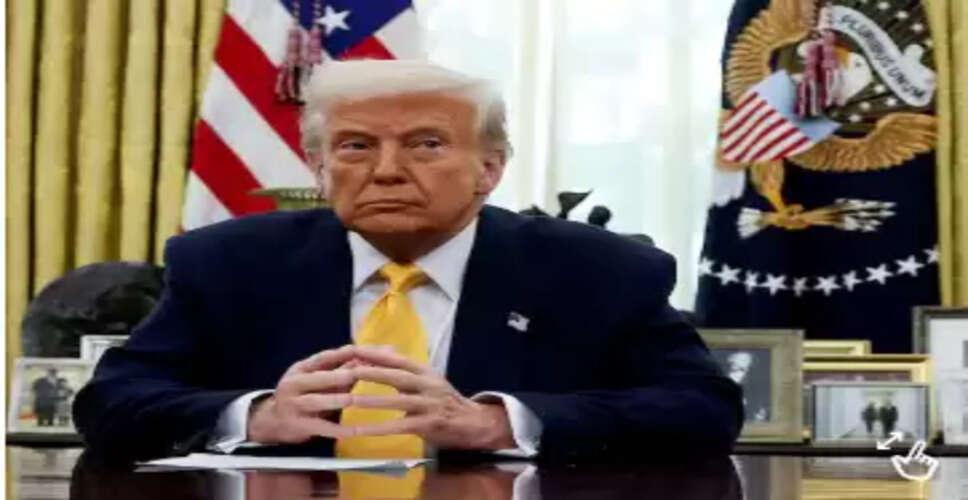

In Washington, President Trump confidently asserts that Iran is eager to negotiate, yet the reality is that the anxiety lies within his own camp. If an agreement is not reached within the next 15 days, Trump may find himself compelled to plead with Iran. This urgency is largely due to the uproar surrounding the War Powers Act in the U.S., which threatens to curtail Trump's authority. Today, the Senate is setting a legal trap aimed at restricting his ability to continue military actions without congressional approval.
Democrats have resolved to ensure that Trump does not unilaterally dictate the nation's fate. They are preparing to vote on measures to limit his powers under the War Powers Act. Should this initiative succeed, Trump will have no choice but to either negotiate with Iran or withdraw troops within the next two weeks.
Understanding the War Powers Act
The War Powers Act is a U.S. law that stipulates the president can only engage in military action for 60 days without congressional consent. With 45 days already passed since hostilities with Iran began, Trump has a mere 15-day grace period left. Democratic leader Chuck Schumer has made it clear that Trump has sidelined Congress, and they will not allow this to continue. Senator Tammy Duckworth is set to push for a vote aimed at halting the conflict.
Democrats' Strategy to Constrain Trump
The Democrats have crafted not just one, but ten proposals designed to rein in Trump's powers. Their strategy involves introducing a new proposal each week until the war ceases. Meanwhile, Trump has indicated that he may engage in talks with Iran in Pakistan within the next two days, but Democrats remain skeptical of his intentions.
Republicans Stand Firmly Behind Trump
Amidst this political drama, the Republican Party continues to rally behind their president. They assert that Trump's mission regarding Iran has been highly successful and that he will soon bring an end to the conflict. Republican leader John Thune has even claimed that Trump has a clear plan, suggesting that congressional inquiries may soon become unnecessary.