
Trump Extends Deadline for Iran to Reopen Strait of Hormuz Amid Rising Tensions
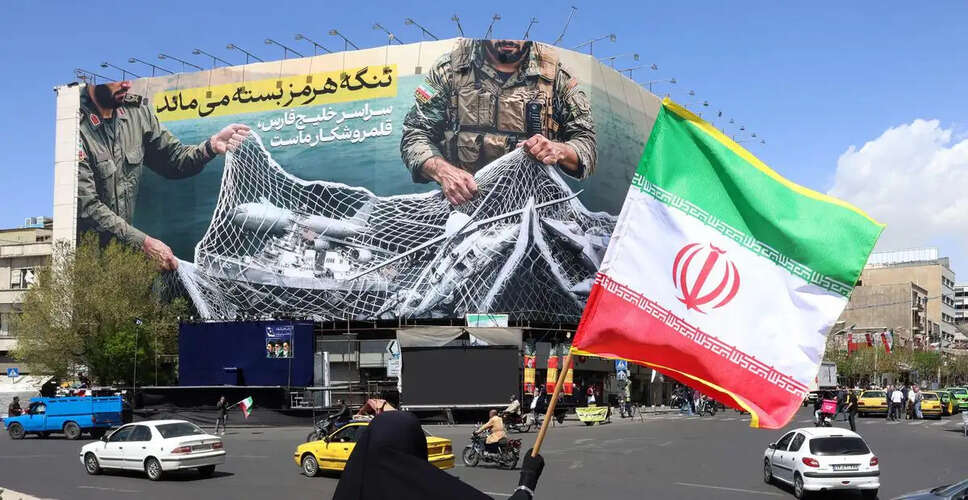
Trump's New Deadline for Iran
On Sunday, President Donald Trump of the United States announced a 24-hour extension for Iran to negotiate a deal regarding the reopening of the Strait of Hormuz, or face potential military action against its vital infrastructure.
He stated, “Tuesday, 8.00 pm Eastern Time!” on social media, without elaborating further. This translates to 5:30 am on Wednesday in India.
The original 10-day ultimatum set by Trump was set to conclude on Monday. He has been vocal about his intention to target Iran’s energy, water, and oil facilities if an agreement is not reached to reopen this crucial maritime route. The extension allows Tehran additional time to contemplate a deal with the U.S. president.
Key Updates on the West Asia Conflict
Here are more significant developments regarding the ongoing conflict in West Asia:
- In a social media post filled with strong language, Trump threatened on Sunday to bomb Iran’s power plants and bridges starting Tuesday if the Strait of Hormuz remains closed.
- Later, in an interview with a Media Channel, Trump expressed optimism about reaching an agreement with Iran, stating, “They are negotiating now.” He added, “If they don’t make a deal quickly, I’m considering blowing everything up and taking over the oil.”
- Iran’s Culture Minister, Sayed Reza Salihi-Amiri, dismissed Trump’s threats, labeling him as an “unstable, delusional figure.” He noted that Iranian society largely ignores Trump’s statements, believing he lacks consistency and balance.
- Following Trump’s remarks, the price of Brent crude oil saw a slight increase, rising to $110 per barrel on Monday, up from $105-$108 per barrel earlier in the week. This is a significant rise from $78 per barrel on February 27, just before the conflict escalated.
- India’s External Affairs Minister S. Jaishankar reported receiving a call from Iranian Foreign Minister Abbas Araghchi, discussing the current situation, though no further details were shared.
- Ali Akbar Velayati, a senior advisor to Iran’s Supreme Leader, warned that any escalation by the U.S. and Israel could disrupt global energy flows and international trade.
- Velayati emphasized that Iran-backed forces in West Asia consider the Bab al-Mandeb strait, which connects the Arabian Sea to the Red Sea, as equally critical as the Strait of Hormuz, vital for ships navigating through the Suez Canal.
Overview of the Ongoing War
The conflict escalated on February 28 when the U.S. and Israel launched an attack on Iran, citing Tehran’s actions as a direct threat to Israel’s existence. The U.S. has positioned itself as a protector of Israeli security. In retaliation, Iran has targeted Israel and U.S. military installations in the region, as well as major cities in Gulf nations.
Iran has effectively restricted access to the Strait of Hormuz, a crucial passage for international commercial shipping, leading to a global energy crisis. Approximately 20% of the world’s oil supply transits through this narrow waterway.
Israel has raised alarms about Iran nearing the capability to develop a nuclear weapon, which could significantly alter the security dynamics in the region. Iran, however, insists that its nuclear ambitions are solely for peaceful purposes.