
Trump Critiques Senate's War Powers Resolution on Iran
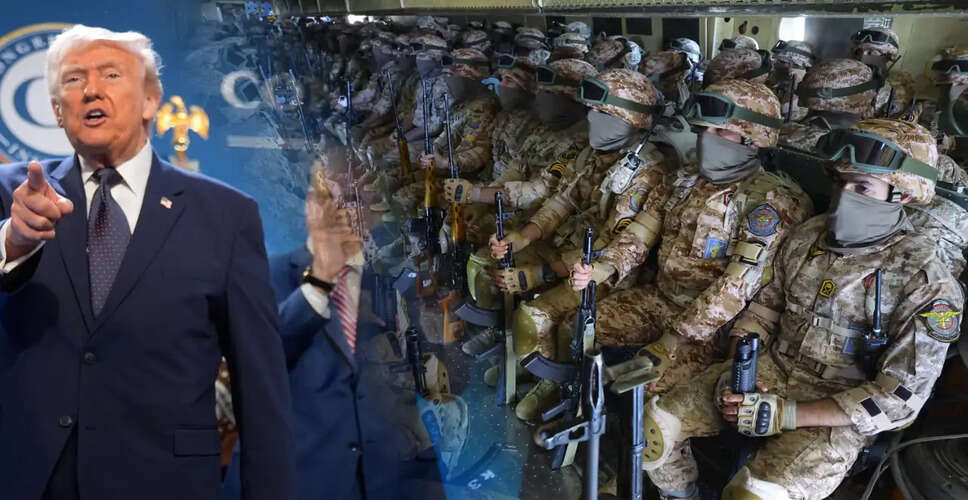

Trump's Strong Opposition to Senate Vote
President Donald Trump has expressed strong disapproval of the Senate's recent bipartisan approval of a War Powers Resolution, which aims to limit unauthorized military actions against Iran. He characterized the Senate's decision as a detrimental gift to Iran during a crucial negotiation period. In a passionate post on Truth Social, Trump asserted that Iran was under considerable pressure and ready to make significant concessions, but Congress's intervention with what he termed a "poorly timed and meaningless" vote complicated matters. He emphasized that the resolution sent a negative message to Iranian leaders, undermining ongoing diplomatic efforts. Trump stated, "I have Iran on the ropes, ready to go down for the fall, willing to give us practically anything," and criticized the Senate for signaling a lack of support for his strategy, accusing lawmakers of providing "aid and comfort" to adversaries.
Trump: "So, I have Iran on the “ropes,” ready to go down for the fall, willing to give us practically anything, and for the first time in decades, respecting the hell out of the United States and its President, ME, and the U.S. Senate decides to have a poorly timed and… pic.twitter.com/QMhXql5LyP
— AZ Intel (@AZ_Intel_) June 24, 2026
Republican Senators Defy Trump
The Senate passed the resolution with a narrow 50-48 vote, marking a significant congressional challenge to Trump's Iran policy amid rising tensions between the U.S. and Iran. Four Republican senators—Rand Paul, Susan Collins, Lisa Murkowski, and Bill Cassidy—joined Democrats in supporting the resolution, while Democratic Senator John Fetterman was the only member of his party to oppose it. Trump labeled these four Republicans as "losers" and claimed their actions confused Iranian negotiators, leading Iranian officials to inquire about the implications of the Senate's vote.
While the resolution does not legally require the President to cease military operations, proponents argue it reinforces Congress's constitutional authority regarding war and military intervention.
Significance of the War Powers Resolution
This measure mandates the President to withdraw U.S. forces from hostilities involving Iran unless Congress formally authorizes military action through a declaration of war or specific military authorization. Although largely symbolic, this resolution holds historical importance, as it marks the first time such a measure has successfully passed the Senate, despite previous attempts failing to achieve a simple majority.
The vote also highlights the increasing divisions within the Republican Party regarding the U.S. role in the Middle East. Influential Republican figures, including Senate Armed Services Committee Chairman Roger Wicker, Senator Tom Cotton, and Senator Ted Cruz, have recently voiced concerns about various aspects of the administration's Iran strategy. This Senate action coincides with ongoing discussions between the U.S. and Iran related to a newly announced peace framework and broader negotiations concerning regional security, sanctions relief, and Iran's nuclear program.