
Trump Cancels Islamabad Trip Amid Iran Negotiation Challenges

Trump's Last-Minute Decision
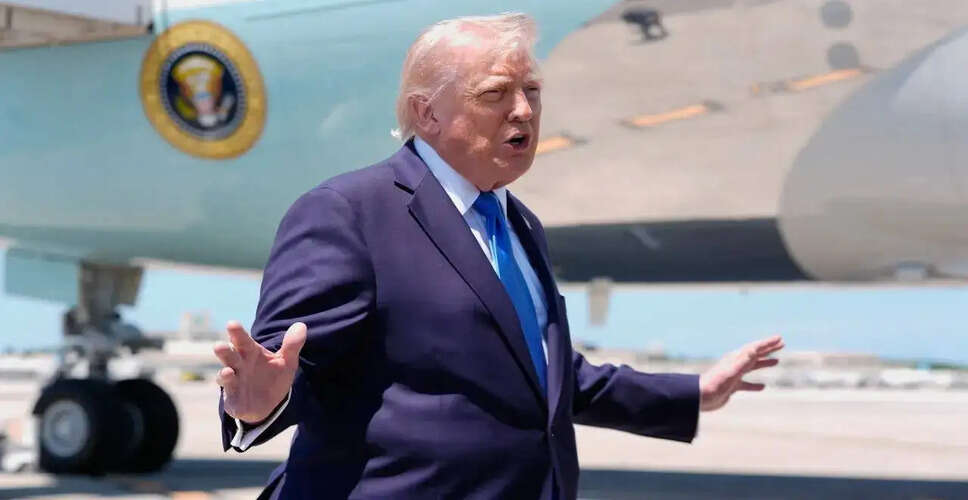
On Saturday, special envoy Steve Witkoff and Jared Kushner, President Trump's son-in-law, were set to depart for Islamabad to discuss potential resolutions to the conflict in Iran. However, the trip was abruptly canceled by Trump, who cited concerns over expenses, travel duration, and uncertainty regarding the American negotiators' counterparts. "Too much travelling, takes too long, too expensive. They weren't meeting with the leader of the country. They were meeting with other people," Trump remarked to reporters before boarding Air Force One. He stated, "I said we're just not going to do it."
Following the cancellation, an unexpected development occurred. Trump claimed that just ten minutes after he called off the trip, Iran presented a revised proposal. "They gave us a paper that should've been better. And interestingly, immediately when I cancelled it, within 10 minutes we got a new paper that was much better," he noted. He emphasized that the primary demand from the U.S. remains clear: Iran must not be allowed to develop nuclear weapons. "They offered a lot, but not enough," Trump added.
Trump's Perspective on Negotiation Leverage
Trump expressed confidence in the U.S.'s position during the negotiations, highlighting what he perceives as significant internal discord within Iran's leadership. He suggested that the Iranian government is currently unable to adopt a tough stance. "They are fighting with each other, there's tremendous infighting. I think they're fighting not to be leader because we knocked out two levels of leaders," he explained. He added, "When they want, they can call me. We have all the cards, we've won everything."
When questioned about the possibility of maintaining the existing ceasefire, Trump appeared unconcerned, stating, "I haven't even thought about it."
Current Status of Negotiations
The cancellation of the Islamabad trip underscores the ongoing challenges in reaching an agreement between Washington and Tehran. A prior visit by Vice President JD Vance to Islamabad also concluded without any advancements. The two nations remain at an impasse regarding Iran's nuclear arsenal and the control of the Strait of Hormuz, a crucial passage for approximately 20% of the world's oil supply.
Iran's foreign minister, Abbas Araghchi, had been in Islamabad for discussions with Pakistani officials before heading to Oman. After his departure, he shared on social media that Iran had proposed a "workable framework to permanently end the war," though he did not disclose further details. He remarked, "Have yet to see if the U.S. is truly serious about diplomacy." At this point, both parties seem to be waiting for the other to make a move.