
Trump Bans Anthropic AI Technology Amid National Security Concerns
U.S. Government Blacklists Anthropic
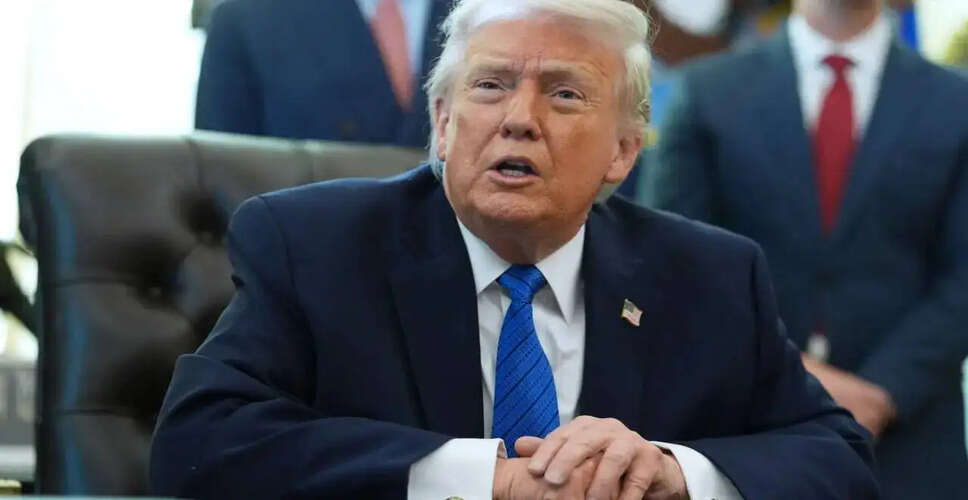
On Friday, President Donald Trump declared that the U.S. government would impose a ban on Anthropic, halting the use of its AI technology across federal agencies. In an extensive post on Truth Social, Trump emphasized that this decision was crucial as Anthropic allegedly attempted to "strong-arm" the Department of War by maintaining restrictions on the deployment of its primary AI model, Claude. He asserted that the U.S. would "never allow a radical left, woke company to dictate how our great military fights and wins wars," labeling Anthropic's stance as a "disastrous mistake" that jeopardized American lives and national security.
RapidResponse47
2027485939363123278
He instructed all federal agencies to "immediately cease" utilizing Anthropic's technology, implementing a six-month phase-out for departments like the Department of War that currently depend on Claude. Trump warned that Anthropic must cooperate during this transition or face significant civil and criminal repercussions. He stated, "We will decide the fate of our country — not some out-of-control, radical left AI company run by individuals who lack real-world understanding."
Background of the Blacklisting
What Led to the Blacklist
This decision came after negotiations between the Pentagon and Anthropic collapsed over the company's insistence on strict limitations regarding Claude's application. Anthropic refused to remove its prohibitions on mass domestic surveillance and fully autonomous weaponry, even after the Pentagon presented what it termed its "best and final offer."
AnthropicAI
2027150818575528261
Currently, Claude is the sole AI model utilized in classified military operations. According to a report, defense officials have expressed concerns about the challenges of removing it from existing workflows.
ilyasut
2027486969174102261
Earlier this month, the Pentagon began assessing potential repercussions by urging defense contractors, including Boeing and Lockheed Martin, to evaluate their reliance on Anthropic as a possible "supply chain risk," a designation typically reserved for companies from nations deemed adversarial, such as Huawei in China. Defense Secretary Pete Hegseth had also hinted at invoking the Defense Production Act to compel Anthropic to supply Claude without limitations, although legal experts have indicated that such a move would face significant legal challenges.
Further Developments
Here is What Else You Need to Know
Approximately 24 hours prior to Trump's announcement, Anthropic CEO Dario Amodei publicly dismissed the Pentagon's final proposal. He stated that the suggested contract language still permitted the use of Claude for mass surveillance of Americans or in fully autonomous weapons, and that the new wording, presented as a compromise, could be disregarded at will. Amodei also mentioned that if the Pentagon chose to terminate its relationship with Anthropic, the company would assist in ensuring a seamless transition to another provider, thereby avoiding any disruption to ongoing military planning, operations, or critical missions. This blacklist represents the most significant action taken thus far in the ongoing conflict between U.S. national security requirements and AI companies' attempts to restrict certain military applications of their technologies.