
Trump Announces Progress in Iran Deal Negotiations
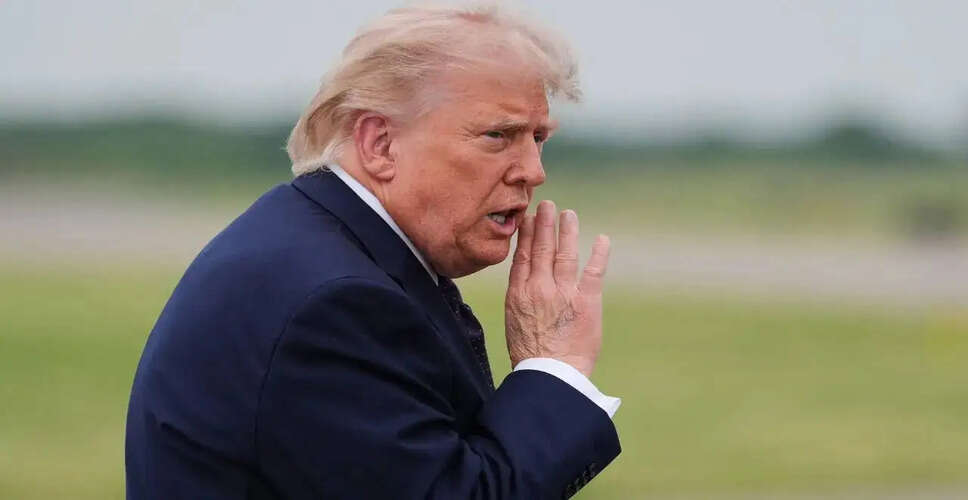

Trump's Communication with Gulf Leaders
On Saturday, following discussions with leaders from the Gulf region and Israeli Prime Minister Benjamin Netanyahu, Donald Trump revealed that significant progress has been made in negotiations with Iran. He described his recent conversation with leaders from Saudi Arabia, the UAE, Qatar, Pakistan, Turkiye, Egypt, Jordan, and Bahrain as "very good." Trump noted that the potential agreement is still pending finalization among the United States, Iran, and the involved nations. He stated that the "final aspects and details of the deal are currently under discussion and will be revealed soon." Additionally, he mentioned that the Strait of Hormuz would be reopened as part of the agreement.
While Trump did not address Lebanon, which Iran insists must be included in the peace deal amid ongoing Israeli attacks, he confirmed a positive conversation with Netanyahu.
Key Negotiation Points Between the US and Iran
What Were the Sticking Points Between US and Iran?
Reports indicate several critical issues that have emerged during the negotiations:
- Iran demands an end to hostilities on all fronts and insists that Lebanon be included in any agreement.
- The country is also seeking assurances against future attacks from the US and Israel, as well as war reparations.
- Iran has requested recognition of its sovereignty over the Strait of Hormuz, stating it will reopen the waterway if the US lifts its naval blockade.
- Conversely, the US is advocating for a 20-year halt on uranium enrichment and the transfer of Iran's highly enriched uranium.
- Trump has consistently emphasized that Iran must not be allowed to develop nuclear weapons and should limit its ballistic missile capabilities.
A ceasefire was established six weeks ago, temporarily stopping the conflict that escalated following US and Israeli airstrikes on Iran. In retaliation, Iran launched missile and drone attacks on various nations in the Persian Gulf and beyond, resulting in thousands of casualties, primarily in Iran and Lebanon. Earlier, Trump assessed the likelihood of a peace agreement with Iran as "a solid 50/50," indicating he would decide by May 24 whether to resume military actions.
During meetings with US envoy Steve Witkoff and his son-in-law Jared Kushner, Trump mentioned that discussions were ongoing regarding Iran's response to a US-supported peace proposal. Vice-President JD Vance is also expected to participate in these discussions. This diplomatic effort is being bolstered by regional mediators, including Qatar, Egypt, Turkey, Saudi Arabia, and Pakistan, who have recently engaged with Iranian Foreign Minister Abbas Araghchi and US negotiators.
Negotiators from Pakistan and Qatar visited Tehran on Friday to facilitate an agreement. Pakistan later reported "encouraging progress toward a final understanding," although a deal has yet to be finalized. Trump mentioned to CBS News that he had reviewed a "draft" agreement but did not confirm whether he had given it his approval, stating, "They're getting a lot closer."