
Trump Advocates for Jensen Huang's Return to Nvidia Amid Chip Sales Discussions

Trump's Support for Huang
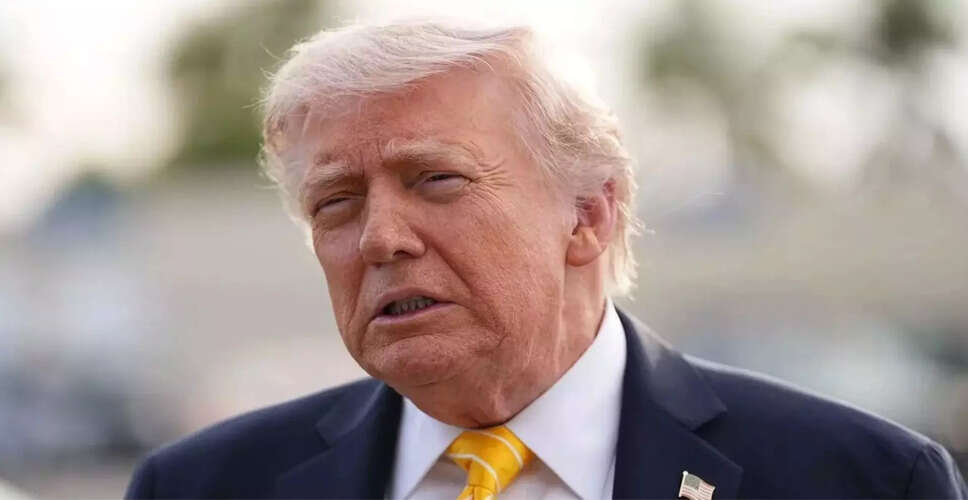
File image of US President Donald Trump(Photo: X)
Washington, Nov 21: US President Donald Trump expressed his desire for Jensen Huang to apologize and return to Nvidia, prioritizing the chipmaker's co-founder over his previous preference, Apple CEO Tim Cook.
“I would like to see Jensen make a significant apology and come back,” Trump stated to reporters at the White House following his trip to Asia. He acknowledged that Huang had made some poor choices but did not specify what he expected him to apologize for.
While discussing which American chips he would allow China to purchase, Trump mentioned Huang's contributions to Nvidia's Blackwell chips, emphasizing that few within the company could replicate his achievements. He also noted that he had spoken about Huang with Chinese President Xi Jinping during his visit to Shenzhen, where Xi reportedly praised Huang.
Although Trump maintained that Cook was a solid candidate, he expressed a preference for Huang to lead Nvidia again, commending Huang's technical expertise and questioning whether the current leadership could match his impact.
“I would love to see Jensen given another opportunity,” Trump remarked.
Regarding chip sales, Trump differentiated between Blackwell and older technologies, stating his intention to prevent Blackwell from being sold to China while being open to the sale of older chips. He also mentioned that he would be satisfied if no American chips were exported to China.
Trump acknowledged a point he attributed to Huang, noting that China already produces its own chips. He argued that if American suppliers refuse to sell to Chinese firms, it would incentivize local manufacturers to create alternatives.
Currently, Trump estimates that the US leads China in chip manufacturing by a decade, asserting that Blackwell's complexity makes it difficult to replicate. However, he predicted that it would become outdated in two years, by which time he would be less concerned about who could purchase it. He did not announce any changes to export regulations.
Chips were part of a broader dialogue with Xi regarding artificial intelligence, where Trump stated that both nations agreed to collaborate on safeguards for advanced systems. He ranked the US first and China second in AI development, expressing skepticism about any other country catching up.
Domestically, Trump emphasized the need for American companies to establish data centers for these systems within the US. He threatened significant taxes on companies that opt for overseas locations, specifically mentioning a proposed project in Finland without naming the company or specifying a tax rate. He criticized the previous trend of allowing too much of the chip industry to relocate abroad.
Huang co-founded Nvidia in 1993, initially focusing on graphics processing units for video gaming. The capability of these processors to perform multiple calculations simultaneously later proved advantageous for training AI models, positioning Nvidia as a key supplier for companies involved in AI development.
Blackwell refers to a series of chips Nvidia designed for AI-related tasks. Since 2022, the US has implemented export controls to limit China's access to advanced computing chips, making a chip's capabilities a crucial factor in determining whether American suppliers can sell to Chinese customers.