
Trump Advocates for Inclusion of Iran in Russia Sanctions Legislation
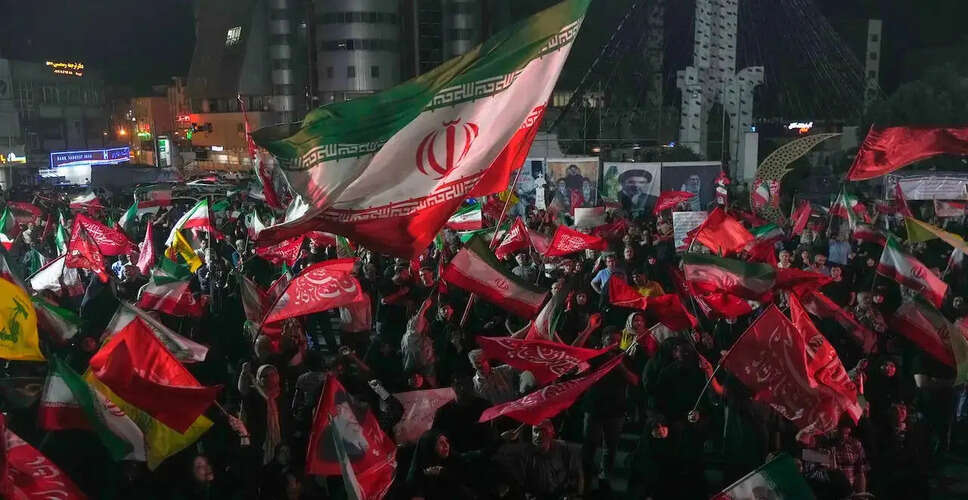

Trump's Proposal on Iran and Russia Sanctions
On Sunday, Donald Trump suggested that the Republican Party should consider adding Iran to the sanctions bill targeting Russia. This announcement was made via his Truth Social platform, where he referenced the Sanctioning Russia Act, a legislative initiative previously advocated by the late Senator Lindsey Graham. This act aims to impose extensive sanctions on Russia and its allies, shifting from a broad tariff approach to more focused measures aimed at the largest consumers of Russian energy.
Trump emphasized that Lindsey Graham had intended to pursue this action, indicating that it was on the horizon. Amid rising tensions in the Middle East, Trump expressed indifference towards Iran's decision to cease compliance with the US-Iran memorandum of understanding, reaffirming that the primary goal for Washington is to prevent Iran from developing nuclear weapons.
Senators Unite for Russia Sanctions Bill in Graham's Honor
Following Lindsey Graham's passing, there has been a renewed push among senators to advance the Russia sanctions bill, as they seek to honor his legacy and continue the momentum he built in securing support from the White House. Advocates for Ukraine have been striving for over a year to enact legislation that would impose significant tariffs on nations that persist in purchasing Russian oil, gas, and other exports. A revised proposal was introduced earlier this week, aiming to cut off financial resources that Russia utilizes to sustain its military actions against Ukraine.
Some lawmakers expressed concerns that the initial bill was overly broad and might negatively impact the economies of some of the U.S.'s closest allies who are also supporting Ukraine. The White House aimed to provide the president with sufficient flexibility to waive sanctions when deemed necessary for national interests. The updated bill seeks to address these issues by narrowing the scope of the tariffs to the top five global buyers of Russian oil and natural gas.
China and India Lead the List of Tariff Targets
According to sponsors of the bill, China and India are the primary targets of these tariffs. The revised legislation significantly lowers the proposed tariffs from a sweeping 500% to a maximum of 100% and includes exemptions for countries that import less than 15% of their natural gas from Russia and are actively working to reduce those imports. Additionally, the bill proposes sanctions against Russian President Vladimir Putin, high-ranking Russian political and military officials, as well as Russian financial institutions and energy projects. It also aims to extend U.S. sanctions to older, reflagged oil tankers that Russia employs to bypass existing U.S. sanctions on its oil and energy revenues.
With inputs from AP