
Trump Administration Set to Reclassify Marijuana: What It Means

Overview of the Upcoming Change
The Trump administration is poised to reclassify marijuana, potentially moving it from its current Schedule I status to Schedule III as early as Wednesday. This long-anticipated decision could significantly impact researchers, cannabis businesses, and patients nationwide.
Details of the Rescheduling
What Is Happening
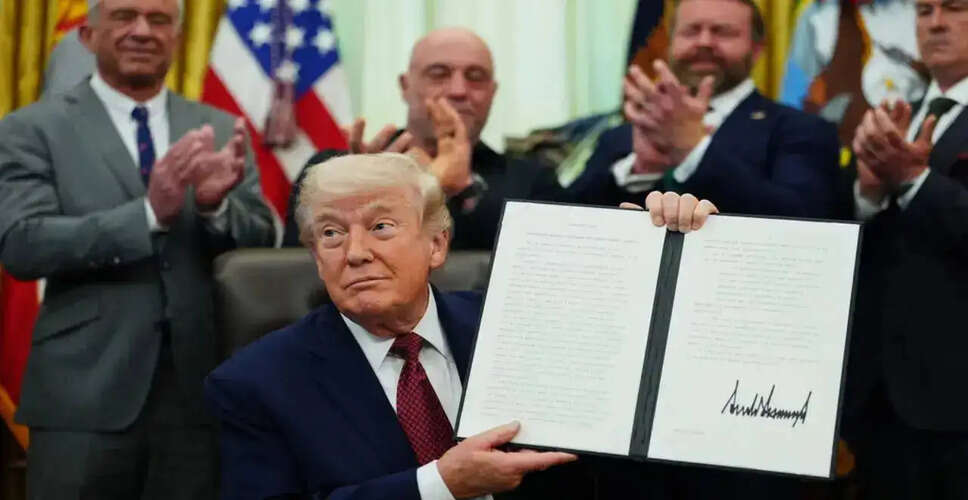
According to reports from various sources, the Justice Department is preparing to officially change marijuana's classification under federal law. This follows an executive order signed by President Trump last December, which instructed the attorney general to expedite the reclassification process. It is important to note that this change does not equate to legalization; marijuana will still be classified as a controlled substance under federal law, and existing prison sentences for marijuana-related offenses will remain unchanged.
Understanding Drug Schedules
What Do the Schedules Actually Mean?
Currently, marijuana is categorized as a Schedule I drug, alongside substances like heroin and LSD, which the DEA defines as having no accepted medical use and a high potential for abuse. If reclassified to Schedule III, marijuana would be grouped with substances such as ketamine and anabolic steroids, which are recognized as having moderate to low potential for dependence.
Implications of the Change
Why This Matters
The most immediate effects will likely be seen in medical research. The DEA imposes strict limitations on studying Schedule I substances, making it challenging for researchers to explore marijuana's medical benefits. A reclassification would facilitate more comprehensive studies. Additionally, cannabis businesses could experience financial relief, as the current Schedule I status prevents them from deducting standard business expenses on federal taxes, resulting in an effective tax rate of around 60% of gross revenue. Changing the classification could significantly alter this financial landscape.
The Journey to This Point
How Did We Get Here?
This initiative began under President Biden, who in 2022 directed the Department of Health and Human Services to evaluate the appropriateness of marijuana's Schedule I classification. The FDA concluded its review in 2023, recommending a move to Schedule III, noting that many states had legalized marijuana for medical purposes to treat various conditions. Although Biden supported the recommendation, progress stalled until Trump revived the effort last December, citing the FDA's findings and urging the then-Attorney General to expedite the process. Trump emphasized that this change was requested by patients suffering from severe ailments.
Clarifying the Limits of Rescheduling
What This Does Not Do
It is crucial to clarify what the rescheduling will not accomplish. Marijuana will still be illegal under federal law, and individuals incarcerated for marijuana possession will not have their sentences modified. Furthermore, recreational use will continue to be a federal offense, irrespective of state laws. While this reclassification is significant, it represents a change in classification rather than a comprehensive policy reform.