
Trump Administration Revives Controversial Immigration Rule Affecting Green Card Applicants

Revival of the 'Public Charge' Rule
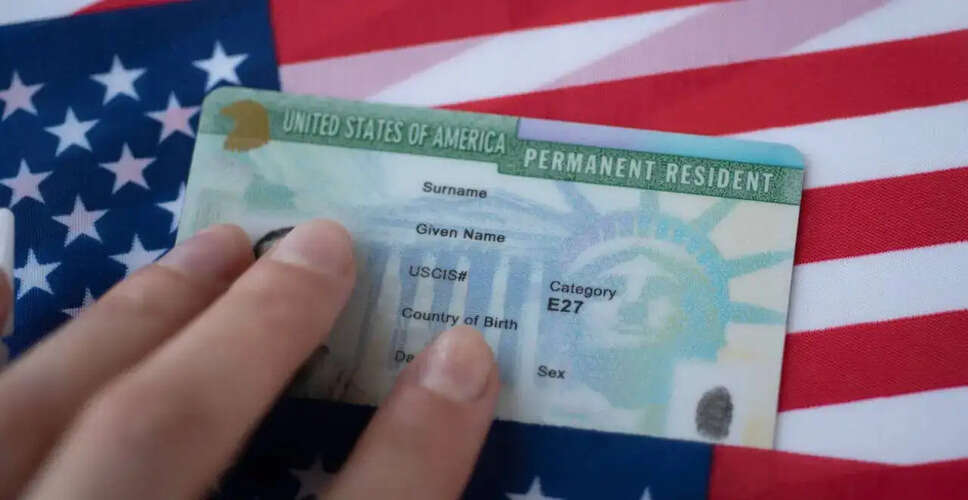
The administration under former President Trump is reinstating a contentious regulation that could restrict green card eligibility for immigrants utilizing public assistance programs, such as food stamps, Medicaid, and housing vouchers. This policy, referred to as 'public charge,' was announced in the Federal Register and is set to be officially published on July 20.
Initially introduced in February 2020 as part of Trump's strategy to limit legal immigration, the rule was reversed following President Biden's inauguration. The reinstated policy mandates that green card applicants demonstrate they will not become a burden on public resources.
This move aligns with the Republican administration's stringent approach to both illegal and legal immigration, particularly amid rising costs for healthcare and food. The U.S. Citizenship and Immigration Services (USCIS) emphasized the importance of self-sufficiency and the need to protect taxpayer resources in a recent statement on social media.
The agency noted, 'Under President Trump, USCIS is restoring the basic principle that immigrants must be able to support themselves.' The new rule is scheduled to take effect on September 18.
While the administration intensifies its focus on deportations and immigration enforcement, it is also targeting legal immigrants and families with mixed immigration statuses. Current federal law already requires individuals seeking permanent residency to prove they will not become public charges, but the Trump-era rule expands the types of assistance that could disqualify applicants.
Originally promoted in 2018, this rule aimed to ensure that only self-sufficient individuals could immigrate to the U.S. However, it faced backlash from immigrant rights advocates, who labeled it a 'wealth test,' and public health experts warned it could lead to deteriorating health outcomes. Nonprofit organizations reported that the policy fostered confusion and fear, discouraging many immigrants and their U.S.-born family members from applying for benefits they were entitled to.