
Trump Administration Considers Temporary Jones Act Waiver to Combat Rising Fuel Prices
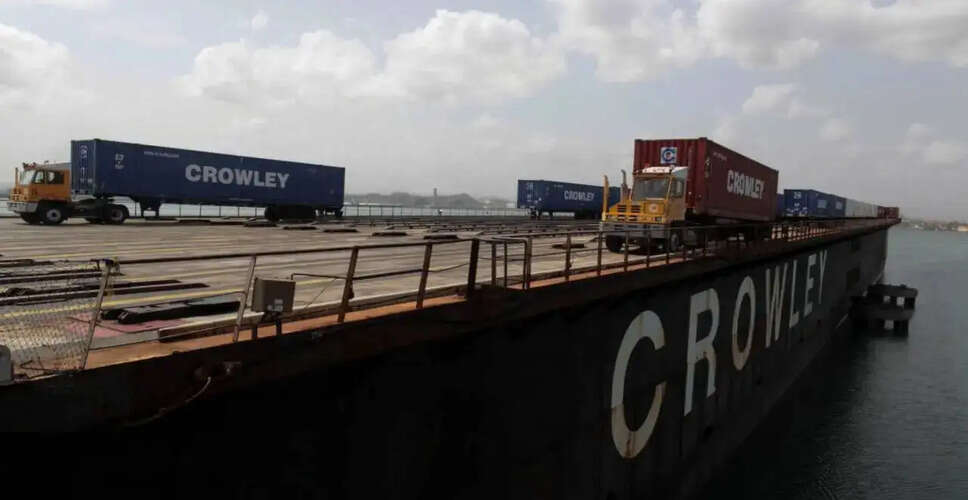
Potential Waiver of the Jones Act
The administration under former President Trump is contemplating a 30-day suspension of the Jones Act as part of its strategy to mitigate soaring fuel prices, which have escalated following the initiation of Operation Epic Fury against Iran by the US and Israel on February 28. This military action has resulted in the death of Supreme Leader Ayatollah Ali Khamenei and has also claimed the lives of seven American service members.
The economic repercussions have been profound, with oil prices surging and further straining household finances already affected by a prolonged cost-of-living crisis. Politically, the stakes are high; polls indicate that Democrats may gain seats in the upcoming 2026 midterm elections, and rising energy prices are a critical issue that could influence voter sentiment.
White House Press Secretary Karoline Leavitt confirmed that the administration is evaluating this potential waiver. She stated, "To support national defense, the White House is considering a temporary waiver of the Jones Act to ensure essential energy products and agricultural supplies can flow freely to US ports." However, she noted that this decision has not yet been finalized.
Understanding the Jones Act
The Jones Act, officially known as Section 27 of the Merchant Marine Act of 1920, mandates that goods transported between US ports must be carried on vessels that are constructed in the United States, owned by American companies, and manned by American crews. This legislation was enacted by President Woodrow Wilson on June 5, 1920, in the wake of World War I, amid concerns about foreign influence in US coastal shipping. The rationale was clear: the nation required a strong domestic merchant fleet capable of serving as a naval auxiliary during wartime or national emergencies.
In addition to regulating cargo transport between American ports, the Jones Act also offers substantial protections for maritime workers.
Reasons for the Current Waiver Consideration
The geographical distribution of oil refineries presents a significant challenge. Most US oil refineries are located along the Gulf Coast, while the Northeast, the most densely populated region, relies heavily on fuel transported from this area. According to the Jones Act, these shipments must be conducted on American vessels, which are generally more costly to operate than foreign tankers.
A waiver would allow for the use of more affordable foreign ships, facilitating the transport of Gulf Coast fuel and crude oil to East Coast refineries and consumers more effectively and at a reduced cost. Reports indicate that the administration has advised oil and shipping companies to prepare for this possibility.