
Trump Addresses Economic Concerns Amid Rising Gas Prices in Las Vegas

Trump's Remarks on Inflation and Gas Prices
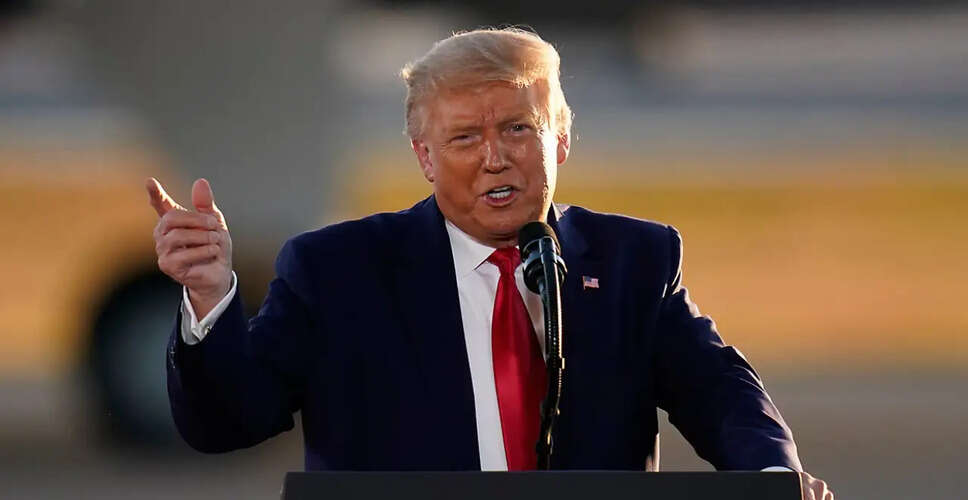
During an economic gathering in Las Vegas on Thursday, President Trump attempted to minimize the impact of soaring gas prices linked to his conflict with Iran, labeling it as 'fake inflation' attributed to energy costs. Speaking from a hotel ballroom near the Strip, he advocated for a tax break aimed at tipped workers, asserting that the economic repercussions of the war were not as severe as anticipated.
Trump remarked, 'We’re experiencing some fake inflation due to fuel and energy prices, which many predicted would reach $250.' Although oil prices have surged amid the conflict, they fell below $100 on Thursday. This aligns with Trump's ongoing narrative as the war nears its two-month mark: maintaining a positive outlook on the economy and the recovering stock market while downplaying the financial burdens of the conflict.
He largely avoided discussing the current gas prices, which exceed $5 per gallon at numerous Las Vegas stations, or the increased airfare resulting from these fuel costs. Instead, Trump highlighted the tax deduction for tips that he enacted last summer, claiming that 'thousands of Nevada waiters, waitresses, casino dealers, bartenders, bellmen, barbers, caddies' received 'the largest tax refunds of their lives.' 'You’re welcome,' he added with a smile.
Accompanied by Treasury Secretary Scott Bessent and several workers who claimed to have benefited from his policies, Trump stated, 'You will witness a significant surge for the remainder of 2026. The figures are truly impressive, which is why I’m here. If they were poor, I wouldn’t be here today; I’d be at home watching TV.'
This event occurred amidst a noticeable decline in tourism in Las Vegas, with visitor numbers dropping by 11 percent last year. Trump's immigration policies have left service workers anxious, while his tariffs and foreign policy decisions have deterred international tourists, particularly Canadians, who represent the largest group of foreign visitors to the city.
Casinos have been increasing prices for guests, and eateries both on and off the Strip have raised food and drink prices as well. 'The Trump slump is real,' stated Ted Pappageorge, secretary-treasurer of Culinary Workers Union Local 226, which represents 60,000 workers in Las Vegas and Reno. He expressed concern among union members regarding the potential for continued declines in visitation.
The culinary union, which supported Kamala Harris in the 2024 election, along with other labor organizations, has been urging the Trump administration to broaden the no-tax-on-tips policy. They are advocating for service charges to be eligible for the deduction and for an increase in the cap on married couples filing jointly.
Nevada's Republican Governor Joe Lombardo is facing a challenging re-election campaign this year, with Democrats criticizing him over cost-of-living issues. Although Lt. Gov. Stavros Anthony attended Trump's event, Lombardo himself was absent. Other state officials seeking re-election may encounter similar challenges.
Dr. Aury Nagy, a Republican candidate opposing Democratic Rep. Susie Lee in a southern Las Vegas district, acknowledged that 'people are frustrated about affordability.' He conceded that 'prices are higher, particularly for electricity and gas,' but pointed to Trump's use of the strategic oil reserve and the recent cease-fire in the Middle East as hopeful signs for relief.
The shift in Las Vegas tourism is significantly affecting service workers. While affluent gamblers continue to arrive via private jets, middle- and working-class visitors are opting to stay home. Pappageorge cautioned that if the city becomes predominantly a luxury destination, it could lead to substantial layoffs in the service industry. 'We’ve catered to the luxury, the middle, and the working class,' he remarked. 'That’s the charm of Vegas.'