
The Strait of Hormuz: A Geopolitical Flashpoint Amid US-Israel-Iran Tensions
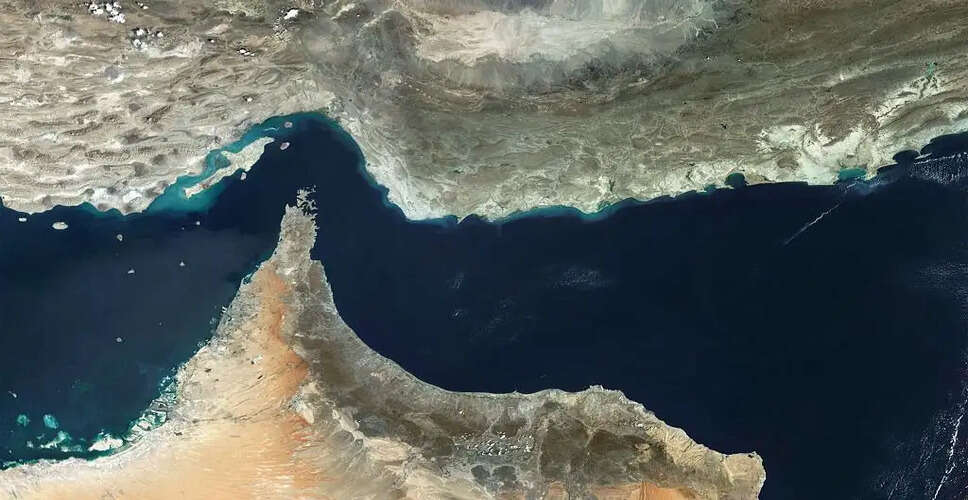
Strait of Hormuz Under Threat
The ongoing conflict involving the US and Israel against Iran has once again placed the Strait of Hormuz at the center of a geopolitical crisis. This vital waterway, which links the Persian Gulf to the world's oceans, is crucial for global oil transportation. Recent attacks on commercial vessels and threats of further aggression have led to a significant decline in tanker traffic, disrupting the flow of oil, gas, and other goods. Consequently, major oil-producing nations are facing production cuts as their crude oil has nowhere to be shipped.
Historically, the Strait of Hormuz has been a focal point for geopolitical tensions. Incidents of ship seizures and military confrontations in the region have raised concerns for commercial shipping, often hindering their operations.
Iran has consistently issued threats to close the strait in response to sanctions and rising tensions, although it has refrained from completely halting traffic. Despite the current conflict causing a major slowdown in shipping, numerous vessels continue to navigate the strait, as reported by maritime and trade analytics.
Although both Iran and Oman have territorial claims in the Strait of Hormuz, the narrow shipping lanes are recognized as international waters, allowing free passage for all vessels. Nevertheless, Iran's military presence and control over key islands in the vicinity grant it considerable influence over this critical passage.
The recent escalation, now entering its third week following US and Israeli strikes that resulted in the death of Iran's supreme leader, has had significant repercussions for global energy markets. Prior to the conflict, approximately 20% of the world's oil passed through the Strait of Hormuz, and the current supply disruptions have led to soaring fuel prices.
Historically, the Strait of Hormuz has faced various disruptions, including:
1980s: Iran-Iraq Tanker War
During the protracted Iran-Iraq War in the 1980s, both nations targeted tankers and vessels in the Strait, employing naval mines to obstruct shipping routes. The US intervened in this conflict, engaging in a brief naval battle with Iran in 1988 and mistakenly shooting down an Iranian passenger plane, resulting in 290 fatalities. Although the strait remained open, the conflict rendered it perilous for shipping.
2011-2012: Threats Amid Nuclear Sanctions
In late 2011 and early 2012, Iran threatened to close the Strait in response to new Western sanctions related to its nuclear program. The EU imposed an oil purchase ban on Iran, and the US targeted its energy sector, leading to a decrease in Iranian oil exports. Despite the threats, Iran did not close the strait, but the uncertainty caused fluctuations in oil prices, with Brent crude peaking above $126 per barrel in March 2012.
2018: Closure Threats Following US Withdrawal from Nuclear Deal
In May 2018, President Trump withdrew the US from the nuclear agreement with Iran, reinstating sanctions and prompting Iranian leaders to threaten closure of the Strait. However, Iran ultimately did not follow through on these threats, and while oil prices experienced volatility, Brent crude ended the year at approximately $54 per barrel.
2019-2025: Ship Seizures and Attacks
The US Navy attributed a series of attacks on vessels near the strait to Iran in 2019, including a drone strike on an Israeli-linked oil tanker in 2021, which Iran denied. These incidents heightened insurance costs and raised concerns among shipping companies. Iran also seized several vessels, including foreign oil tankers accused of smuggling fuel, yet the strait remained accessible.
June 2025: 12-Day War Between Israel and Iran
Concerns about a potential closure of the Strait intensified during last year's 12-day conflict between Israel and Iran, especially after US bombings targeted Iranian military sites. Nevertheless, Iran did not close the strait, and while oil prices initially surged, they eventually fell as traders doubted the likelihood of sustained attacks on oil shipments.