
The Iranian Revolution of 1979: A Complex Legacy of Change
Understanding the Iranian Revolution
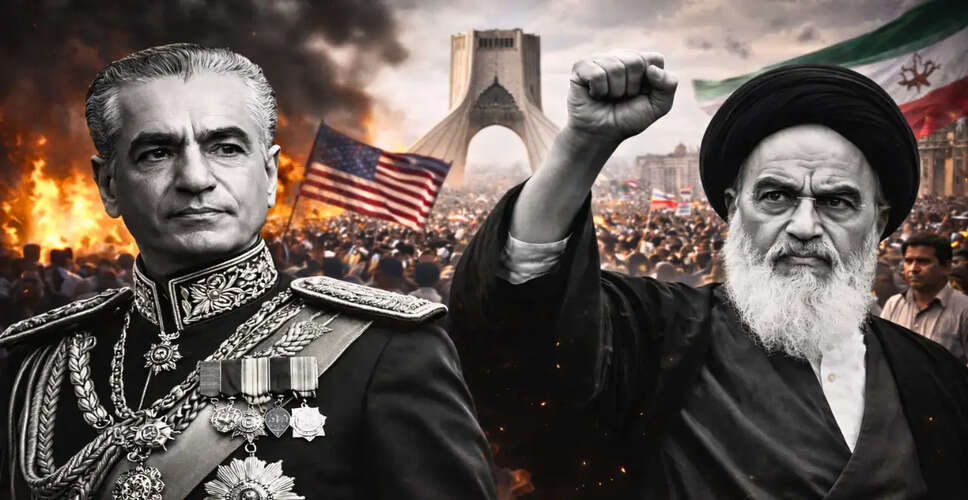
The Iranian Revolution of 1979 is recognized as a pivotal moment in the 20th century, fundamentally altering the country's religious, political, economic, and international dynamics. What started as widespread dissatisfaction with economic struggles and political oppression culminated in the dramatic overthrow of the Shah and the establishment of the Islamic Republic. While often labeled a "religious revolution," the reality is more nuanced; it was fueled by longstanding economic and social discontent. Prior to the upheaval, Iran, particularly Tehran, was celebrated for its vibrant culture, fashion, and progressive ideals. However, the role of religion in governance and public life has since expanded significantly. This transformation did not happen overnight, but the events of 1979 marked a significant turning point. To grasp the significance of 1979, we must first explore Iran's situation before the revolution.
Life Under the Shah: A Dual Reality
Life Under the Shah: Modern, Uneven, and Restrictive
During the reign of Mohammad Reza Pahlavi, the last Shah of Iran, the nation projected an image of modernization and rapid growth. The influx of oil revenue funded ambitious infrastructure projects, leading to the construction of roads, buildings, and universities. Tehran, in the 1960s and 70s, was a city brimming with vitality. Women donned Western attire, and social life thrived with cafes, nightclubs, and parties, accompanied by the sounds of Western music. Many Iranians welcomed these changes, feeling their country was becoming more cosmopolitan. However, this narrative of progress was only part of the truth. Despite the apparent wealth, many citizens, especially in rural areas and among the working class, faced harsh realities. Inflation surged, making daily life increasingly difficult, and job security was elusive. Many believed that the oil wealth was monopolized by elites and those with political connections. Whispers of corruption circulated in bazaars and tea houses, but openly criticizing the government was perilous. The Shah's secret police, SAVAK, were notorious for quelling dissent, creating an atmosphere of fear and repression. Thus, while urban centers gleamed with modernity, an undercurrent of resentment and frustration simmered among the populace.
The Legacy of Mosaddegh
Mosaddegh: The Prime Minister Who Challenged the Shah and Foreign Powers
Long before the events of 1979, another significant moment shaped Iran's political landscape and its skepticism towards foreign powers. In 1951, Mohammad Mosaddegh, a nationalist leader, assumed the role of Prime Minister. He advocated for Iranian control over its oil resources, opposing foreign companies, particularly the British-owned Anglo-Persian Oil Company (now BP). Mosaddegh's stance resonated with the public, as he argued that oil revenues should benefit ordinary Iranians rather than foreign corporations and elite insiders. However, this position did not sit well with everyone. Britain, unwilling to relinquish its economic interests, collaborated with the CIA to orchestrate a coup in 1953 that ousted Mosaddegh. The violent crackdown resulted in approximately 250 deaths. Mosaddegh was arrested and spent the remainder of his life under house arrest. The Shah, who had briefly fled during the turmoil, returned with bolstered power and U.S. support. This event left a lasting impression on many Iranians, highlighting the extent of foreign influence in their governance and fostering a deep-seated distrust towards both the monarchy and Western powers.
The Surge of Protests
The Period of Protests: Strike and Anger
By the late 1970s, Iran's economic situation had worsened significantly. Inflation soared, and the economy stagnated. Workers initiated strikes, and students filled the streets. Shopkeepers closed their businesses not out of prosperity but in solidarity with the protestors, expressing their frustration over the growing economic divide. Across the nation, ordinary Iranians felt the strain of rising costs and an unresponsive government. While religion played a crucial role, it was not the sole source of public discontent; it became a powerful medium for expressing grievances. As anger mounted, exiled cleric Ruhollah Khomeini emerged as a vocal critic of the Shah, condemning corruption, lack of freedom, and the widening gap between the ruling elite and the populace. Even those who were not particularly religious began to view him as a figure of resistance against the regime. As protests intensified, the government's violent response only deepened public resentment, transforming isolated demonstrations into a unified call for significant change.
The Turning Point of 1979
1979: The Shah’s Exit and Khomeini’s Return
On January 16, 1979, after months of widespread protests, the Shah departed Iran, marking a monumental shift after decades of rule. The streets of Tehran and other cities erupted in celebration, filled with hope for a new beginning. Shortly thereafter, Ruhollah Khomeini returned from exile to a hero's welcome, greeted by massive crowds chanting in support. For many, this moment symbolized not just the end of a monarchy but the dawn of a new movement that seemed achievable.
The Rise of a New Political Order
With The Rise of Khomeini, How Iran Changed
It quickly became evident that Iran would not revert to a monarchy. A new political framework emerged, placing Islamic law and religious authority at the forefront of governance. Khomeini advocated for the leadership of senior religious scholars, extending their influence beyond spiritual matters into political realms. This shift fundamentally altered the governance of the country, intertwining religion with politics. Initially, many were uncertain about the strength of this new system, but over time, clerical bodies consolidated power, taking control of essential state institutions, including the judiciary and military. Although elections continued, real authority lay with the Supreme Leader and the clerical establishment. Following Khomeini's death in 1989, Ali Khamenei succeeded him as Supreme Leader. Contrary to expectations of a less dominant leadership, Khamenei gradually tightened his grip on the state and society.
Beyond Religious Motivations
Was It Only About Religion? Or…
Many perceive the revolution as solely a religious uprising, but this perspective overlooks significant aspects of the narrative. Prior to 1979, Iranians protested against rising costs, economic hardship, and lack of opportunities. Post-revolution, economic challenges persisted, with Iran facing wars, sanctions, inflation, and unemployment in the ensuing decades. These issues affected daily lives just as profoundly as political repression. Recent protests in Iran often include demands for jobs and living costs, alongside calls for social freedoms. The economic dimension remains a consistent theme in the populace's demands from their leaders. In essence, the revolution tapped into a collective yearning for dignity, fairness, and a voice in shaping their future, with religion providing the framework for articulating these aspirations.
Cultural Shifts Post-Revolution
What Changed in the Everyday Life of Iranians?
One of the most noticeable effects of the revolution was on daily life, particularly regarding cultural and social norms. Before 1979, cities like Tehran showcased Western influences, with diverse and expressive fashion. Music, films, and social interactions often mirrored global trends. However, post-revolution, many aspects of social life underwent significant changes under stricter interpretations of Islamic law. Dress codes became more stringent, especially for women, who were mandated to wear the hijab in public. Media, music, and cultural expressions faced tighter controls. Public behavior was increasingly dictated by religious guidelines rather than secular norms. Nevertheless, society did not stagnate; new generations have continually sought to push boundaries and reinterpret cultural norms. Young Iranians still find ways to express themselves, engage with global trends, and adapt traditions to contemporary life, even within the framework established after 1979.
The Ongoing Legacy of 1979
More Than Four Decades Later
Over forty years later, Iran continues to grapple with the legacy of the 1979 revolution. Some view it as a stand against dictatorship and foreign interference, while others feel its promises of justice and prosperity remain unfulfilled. What is clear is that the revolution was not solely driven by religious motivations; it emerged from economic strain, political repression, inequality, and a quest for dignity. Faith provided leadership and a framework, but the everyday struggles of the people fueled its momentum.