
The Critical Role of Desalination Plants Amid Rising Tensions in West Asia
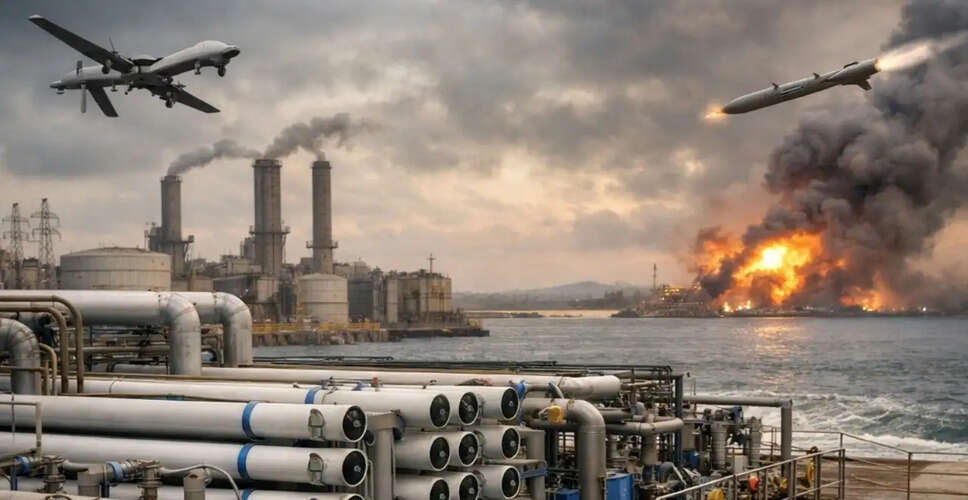
Water at Risk in West Asia Amid Escalating Conflicts
While crude oil often defines West Asia in global discussions, the ongoing conflict involving Iran highlights a more pressing concern: water scarcity. As tensions rise due to threats from the United States regarding the Strait of Hormuz, Iran has issued warnings that any attacks on its power plants and infrastructure could lead to the destruction of essential facilities, including energy and desalination plants. Nations such as Saudi Arabia, the UAE, and Qatar depend heavily on these plants to convert seawater into potable water, making them vital for survival in a region with limited freshwater resources.
Iran's Response to U.S. Threats
Iran has effectively restricted access to the Strait of Hormuz, a key oil shipping route, for what it terms its adversaries, including the U.S. and its allies. This strait is crucial, as it facilitates about 20% of the world's oil supply. Recent attacks on vessels have halted tanker traffic, leaving many ships stranded. U.S. President Donald Trump has threatened to target Iranian power plants if the strait remains closed, claiming that Iran's Revolutionary Guard controls much of the country's infrastructure.
The Importance of Desalination Plants
Desalination plants play a crucial role in converting seawater into fresh water through advanced techniques like reverse osmosis. These facilities are essential for sustaining urban areas, industries, and agriculture in one of the driest regions globally. Damage to any part of the desalination process can disrupt water supply, as highlighted by experts in the field.
Water Scarcity in Gulf Nations
Gulf countries face significant challenges due to their limited natural freshwater resources. The region's reliance on desalination is critical, with nations like Kuwait sourcing about 90% of their drinking water from these facilities. Qatar is particularly dependent, with over 99% of its water supply coming from desalination. This reliance underscores the vulnerability of these nations, as any disruption could lead to severe humanitarian crises.
Historical Context of Vulnerability
The dependency on desalination has long been recognized as a vulnerability by both Gulf governments and international observers. Past analyses have warned that attacks on these facilities could lead to national emergencies, with prolonged outages causing significant hardships. Historical events, such as the Gulf War, have demonstrated the potential consequences of targeting water infrastructure, emphasizing that disruptions in water supply are a matter of survival, not just economics.
Conclusion: A Looming Humanitarian Crisis
As the geopolitical landscape shifts, the focus on oil may overshadow the critical importance of water resources in West Asia. If desalination plants become targets in the ongoing conflict, the repercussions will be felt far beyond fuel prices, potentially leading to a humanitarian crisis characterized by water shortages and public unrest.