
Tensions Rise in Strait of Hormuz Following Attacks on Ships
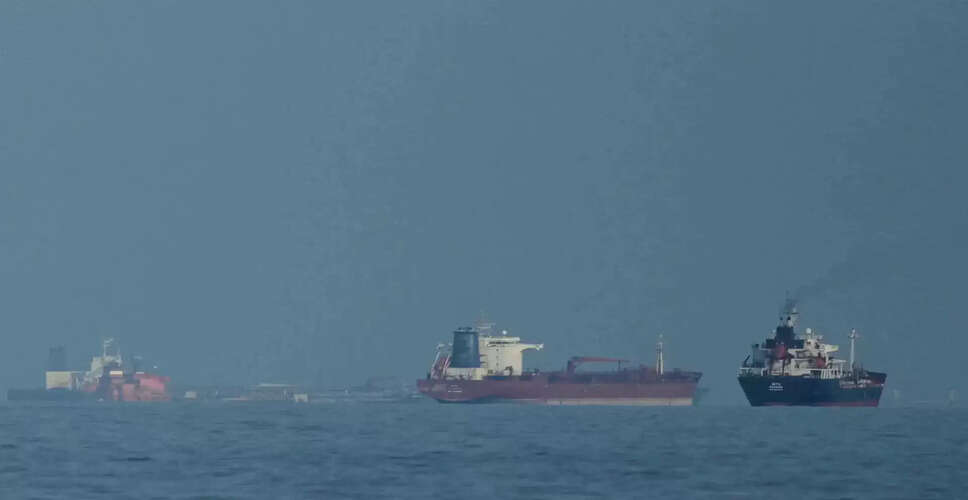

Recent Attacks in the Strait of Hormuz
On Wednesday, two vessels were targeted in the Strait of Hormuz, a vital passage linking the Persian Gulf with the Gulf of Oman. These incidents occurred shortly after President Donald Trump announced an indefinite extension of the ceasefire with Iran. The attacks may hinder ongoing efforts to facilitate a second round of discussions in Pakistan aimed at resolving the conflict between the United States and Iran.
The United Kingdom Maritime Trade Operations (UKMTO) has yet to confirm the identity of the assailants targeting the second ship. However, initial suspicions have turned towards Iran, particularly its paramilitary Revolutionary Guard, as the cargo ship reported being fired upon while stationary. Fortunately, there were no injuries or damage reported to the vessel.
Earlier in the day, the Islamic Revolutionary Guard Corps launched an attack on a container ship in the Strait of Hormuz near Oman. Fortunately, this incident did not result in any injuries or environmental damage. According to the UKMTO, an Iranian gunboat approached the ship without issuing any radio warnings before opening fire, which resulted in significant damage to the ship's bridge, as reported by the vessel's captain.
Iranian news outlets, including Fars and Tasnim, which are closely aligned with the Revolutionary Guard, reported on the incident, citing the UKMTO. Fars claimed that Iran was acting within its rights to enforce control over the Strait of Hormuz. Nour News, associated with Iran’s Supreme National Security Council, stated that the Guard fired upon the container ship after it allegedly disregarded warnings from Iranian forces.
In response to the escalating situation, Britain and France are convening military planners from approximately 30 nations to develop a strategy for ensuring security in the Strait of Hormuz, contingent upon the reopening of this crucial shipping lane. The UK Defence Ministry announced that a two-day meeting at a command-and-control center in London aims to transform diplomatic agreements into a concrete military strategy. This international initiative seeks to safeguard merchant vessels, clear mines, and provide reassurance, relying on a sustainable ceasefire in the ongoing US-Israeli conflict with Iran. Countries such as France and the UK have committed to deploying ships and mine-clearing drones. Despite doubts regarding the feasibility of this plan, British Defence Secretary John Healey expressed optimism about achieving significant progress in the coming days.
(With inputs from AP)