
Tensions Rise in Iran Following Khamenei's Funeral
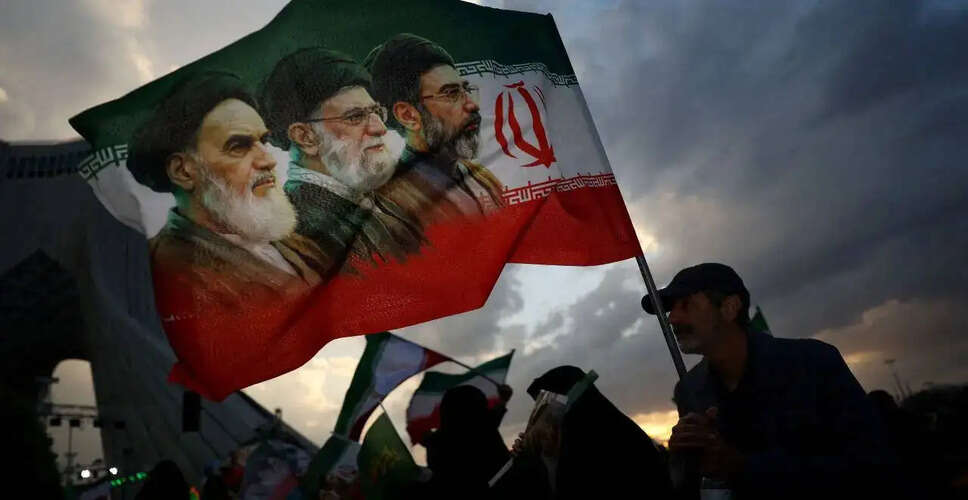

Unrest at the Funeral
Last week, a disturbing scene unfolded at the funeral of Ali Khamenei, where emotions ran high, but not in the way one might expect. As Iranian President Masoud Pezeshkian walked alongside the coffin of the former supreme leader in Tehran, he was met with hostility from mourners clad in black. Instead of paying tribute, they shouted, "death to the compromiser," directly targeting the president.
The situation escalated for Abbas Araghchi, Iran's chief diplomat, who had previously engaged in negotiations with the Trump administration. He was forced to flee the funeral as a crowd hurled rocks at him, branding him a traitor and a sellout.
Roots of the Discontent
Where This Anger Is Coming From
This outburst was not an isolated incident but rather a manifestation of growing tensions within Iran's radical political factions. Hardliners believe that officials who engaged with Washington are attempting a covert takeover, undermining the Islamic Republic's foundational principles while the new supreme leader, Mojtaba Khamenei, remains largely absent from public view.
The reasons for his absence are unclear; some hardliners speculate he may be in hiding due to safety concerns, while others suggest he could be incapacitated. This silence has created a leadership vacuum that hardliners feel is being exploited.
Many attendees at the funeral viewed the ceasefire agreement as a capitulation rather than a means of justice for Khamenei's death, believing it contradicts the desires of the new supreme leader, despite his lack of public statements.
Allegations of Power Struggles
Accusations of Power Grabs
Hardliners have leveled serious accusations against the current leadership, claiming they are consolidating power by suspending parliament, disregarding the supreme leader's directives during negotiations, and attempting to quell the nightly protests that have bolstered hardline movements.
The week-long funeral became a platform for hardliners to voice their demands for renewed conflict with the United States, rejecting any agreements associated with Trump's administration.
Ceasefire on the Brink
The Ceasefire Is Already Falling Apart
In line with hardliners' desires, the fragile ceasefire between Iran and the United States has disintegrated this week. The Revolutionary Guards have initiated attacks on shipping in the Strait of Hormuz, seemingly to assert dominance over the crucial waterway, prompting retaliatory strikes from Washington.
Threats Against Leadership
A President Threatened to His Face
Even prior to the escalation, hardliners were targeting those who signed the ceasefire. At a public event, a regime-affiliated singer, Mohammad Ali Bakhshi, issued a direct threat to President Pezeshkian, warning that failure to meet the supreme leader's conditions could cost him dearly.
Despite the uproar caused by this threat, Bakhshi has not faced any known legal repercussions.
Ghalibaf Under Fire
Ghalibaf Is Also a Target
Mohammad Bagher Ghalibaf, Iran's chief negotiator with the US, is also under scrutiny. A former commander of the Revolutionary Guard, he has become a significant figure in the regime due to his political influence and support.
Hardline parliament member Kamran Ghazanfari recently accused officials of intentionally empowering the Supreme Council for National Security, which is now responsible for Iran's most critical wartime decisions, at the expense of both the supreme leader and parliament, describing it as a gradual political coup.