
Tensions Rise Between Pakistan and PoK Leadership Over Kashmir Identity Dispute

Conflict Erupts Over Kashmir Identity
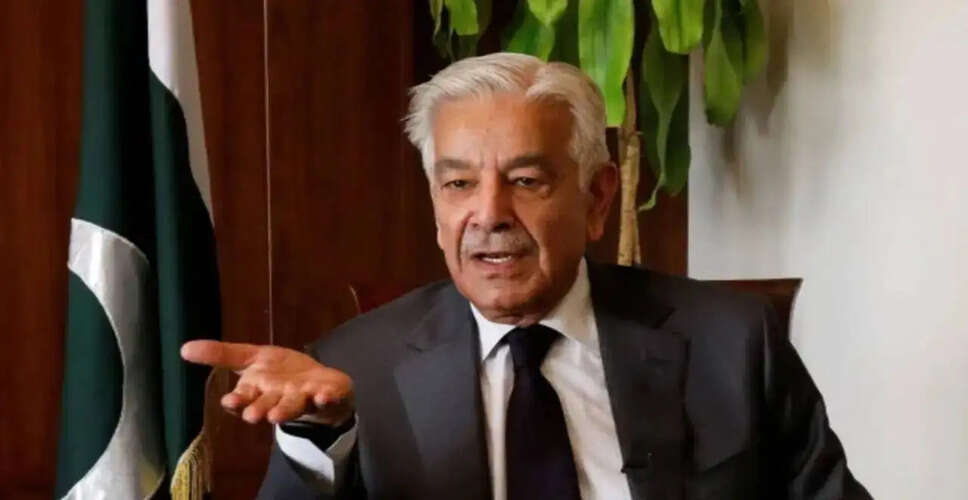
A heated exchange has unfolded between the federal government of Pakistan and the leadership in Pakistan-occupied Kashmir (PoK). Faisal Mumtaz Rathore, the Prime Minister of PoK, has sharply criticized Defence Minister Khawaja Asif for questioning the Kashmiri identity of residents from Rawalakot and Mirpur. In a forceful statement on X, Rathore emphasized that the people of Jammu and Kashmir do not require validation of their identity from anyone, including Asif, whom he accused of fostering division rather than unity. "The people of Jammu and Kashmir do not need validation of their identity from the Defence Minister of Pakistan or anyone else. Individuals like him are only creating rifts instead of fostering closeness," Rathore stated.
What Triggered the Controversy?
The dispute ignited when Khawaja Asif, in a television interview, asserted that the inhabitants of Rawalakot and Mirpur in PoK were "not proper Kashmiris." This statement faced immediate backlash, especially as Rawalakot has been the site of ongoing protests led by the Joint Awami Action Committee against both the PoK administration and the federal government of Pakistan. The protests have focused on issues such as rising inflation, alleged human rights abuses, and calls for enhanced constitutional and political rights in the region.
Rathore Dismisses Asif's Defense
In response to the criticism, Asif sought to clarify his comments, suggesting that Kashmiri identity is shaped by years of struggle and sacrifice rather than mere geography or birth. He also took aim at the governance of the PoK administration. Rathore, however, rejected this defense, accusing Asif of attempting to distract from his initial comments. "After facing backlash for his blunder, he is now trying to shift the focus to the governance of Jammu and Kashmir," Rathore remarked. He asserted that Pakistan's own leadership would affirm the effectiveness of his administration, urging Asif to confront the real issue instead of deflecting blame. "A more dignified approach would be to address the elephant in the room and apologize for your initial remarks rather than scapegoating our governance," he added.
Bilawal Bhutto's Intervention
The fallout from this controversy has extended beyond PoK, attracting criticism from various factions within Pakistan's political landscape. Bilawal Bhutto-Zardari, the Chairman of the Pakistan Peoples Party, addressed the National Assembly, calling on Prime Minister Shehbaz Sharif to manage his ministers more effectively. He cautioned against statements that could lead to confusion regarding Pakistan's stance on Kashmir. Bhutto also criticized the government's "hybrid regime" approach to PoK, advocating for resolution of political disputes through dialogue rather than administrative actions.
Asif Stands Firm
Despite the escalating criticism, Khawaja Asif has firmly rejected the idea of apologizing for his statements. "I will not apologize. There were no apologies yesterday, and there will be none today," he declared, reaffirming his position. This public dispute has highlighted the increasing tensions between Pakistan's federal government and the PoK leadership, transforming Asif's comments into a broader political issue.