
Tensions Rise as Seven Oil Tankers Reported Damaged in Strait of Hormuz

Escalating Tensions in the Strait of Hormuz
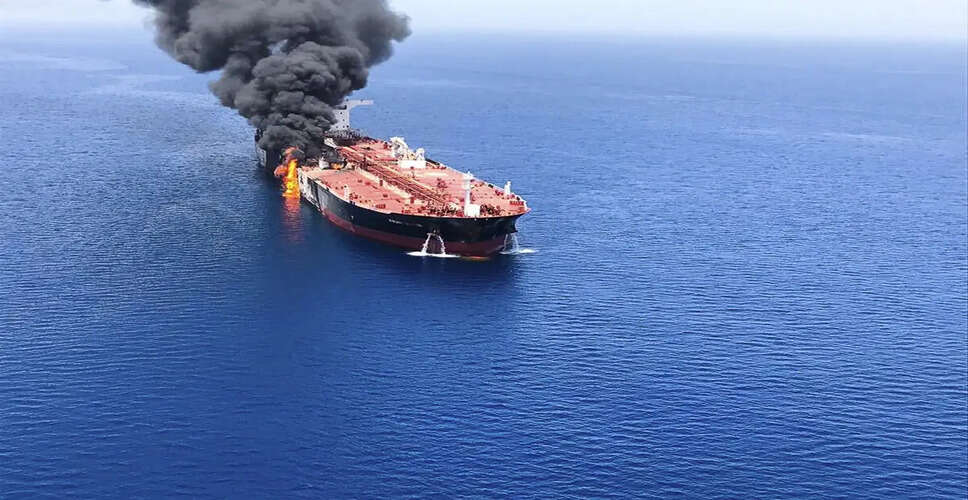
In a significant escalation, seven oil tankers were reportedly damaged or set ablaze in the Strait of Hormuz, as claimed by Iranian authorities. This incident raises alarms amid growing fears of a potential return to full-scale conflict.
With Israel's elections approaching, where Prime Minister Benjamin Netanyahu faces possible defeat, and the upcoming US midterm elections stirring voter discontent over rising war-related prices, there are increasing worries that military actions against Iran by the US and Israel could resume.
Iranian state media cited the Revolutionary Guard Corps navy, which issued threats to target US military installations in the area if the US continues to assist in navigating commercial vessels through the strait.
While the report did not specify any casualties, a British military monitoring group did not confirm the attacks. However, there has been a noted hesitance among some shipping companies to report incidents recently. Iran maintains its authority over this crucial waterway, which plays a vital role in negotiations with the US regarding the ongoing conflict.
Iran's Foreign Minister, Abbas Araghchi, stated that while Tehran is cautious, it remains open to diplomatic solutions but is prepared to defend itself if necessary.
Tehran has indicated that it has gained significant military insights from the conflict that began with US and Israeli strikes on February 28. Recently, Iran has suggested it may broaden its targets to include critical infrastructure like undersea cables and data centers.
In response, the United States is bolstering its military presence in the region, deploying a third aircraft carrier and thousands of troops, marking the largest concentration of American naval and air forces in the Middle East in decades.
Efforts are underway by mediators to facilitate a return to formal discussions between Washington and Tehran.
Iran continues to advocate for its latest proposal aimed at concluding the war and reopening the strait within a week, contingent upon the US meeting several conditions, including lifting the blockade on Iranian ports. These conditions mirror those from a previous agreement that collapsed shortly after being signed in June.
Although US President Donald Trump dismissed this recent seven-day proposal, both parties have acknowledged that indirect negotiations are ongoing. Since the proposal's rejection, incidents involving ships in the Strait of Hormuz have surged.
The prospect of a return to full-scale war poses significant risks to civilians across the region and could disrupt global oil, natural gas, and fertilizer supplies, likely leading to another spike in prices.