
Tensions Rise as Israel Intensifies Military Actions Amid Ceasefire Concerns

Escalating Conflict in the Region
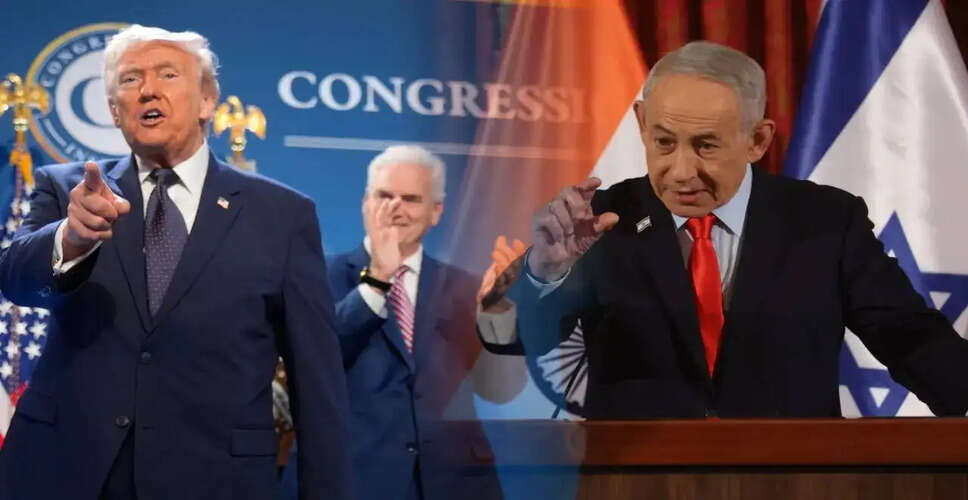
The ceasefire, initially aimed at managing the Iran conflict, is now facing challenges as hostilities escalate. In an unusual public statement, Donald Trump revealed that he had personally advised Benjamin Netanyahu to tone down Israel's military actions in Lebanon. This caution arises from fears that ongoing strikes could jeopardize a delicate truce recently brokered with Tehran. Trump's communication with Netanyahu underscores the growing anxiety within the US government regarding the potential for the conflict to expand, particularly through Lebanon.
Israel's Aggressive Military Strategy
Israel’s Escalation And The 100-Target Strike
This warning follows one of the most aggressive military operations by Israel in Lebanon since the onset of the conflict. Israeli military sources report that the Israel Defense Forces targeted nearly 100 sites within just 10 minutes, marking a significant increase in their campaign against Hezbollah. This operation is part of a larger initiative that commenced in early March, shortly after US-Israeli actions against Iran. The rapid and extensive nature of these strikes has raised alarms not only in Tehran but also among those trying to mediate peace in the region.
Disagreements Over Ceasefire Terms
A Disputed Ceasefire Framework
At the core of the rising tensions is a fundamental disagreement regarding the ceasefire terms. Iran, along with Pakistan, which has acted as a mediator, argues that the ceasefire should encompass a halt to hostilities involving Hezbollah in Lebanon. Conversely, Israel and the United States contend that Lebanon was never included in the ceasefire agreement. This discrepancy has created a precarious situation where military actions persist even as diplomatic efforts progress, raising the risk of miscalculations.
US Administration's Cautious Approach
Washington Signals Caution
Trump's comments indicate a strategic effort to manage the escalation without imposing direct limitations on Israel's military operations. He expressed confidence that Netanyahu would moderate the intensity of strikes while still addressing what Israel perceives as a continuous threat from Hezbollah. Vice President JD Vance shared a similar view, suggesting that Israeli forces might exercise restraint to avoid jeopardizing ongoing negotiations with Iran.
Diplomatic Efforts Amid Military Actions
Diplomacy And Deterrence Intersect
Despite the ongoing military actions, there are signs of diplomatic progress. Netanyahu has shown willingness to engage in direct talks with Lebanon, focusing on disarming Hezbollah and stabilizing relations. However, the success of such negotiations remains uncertain. Additionally, the broader ceasefire framework is under strain due to recent developments, including Iran's decision to limit movement through the Strait of Hormuz following Israeli strikes. For now, Washington advocates for measured restraint, but whether this will lead to de-escalation on the ground is still uncertain.