
Tensions Escalate in the Strait of Hormuz: A Clash of Control Between the US and Iran
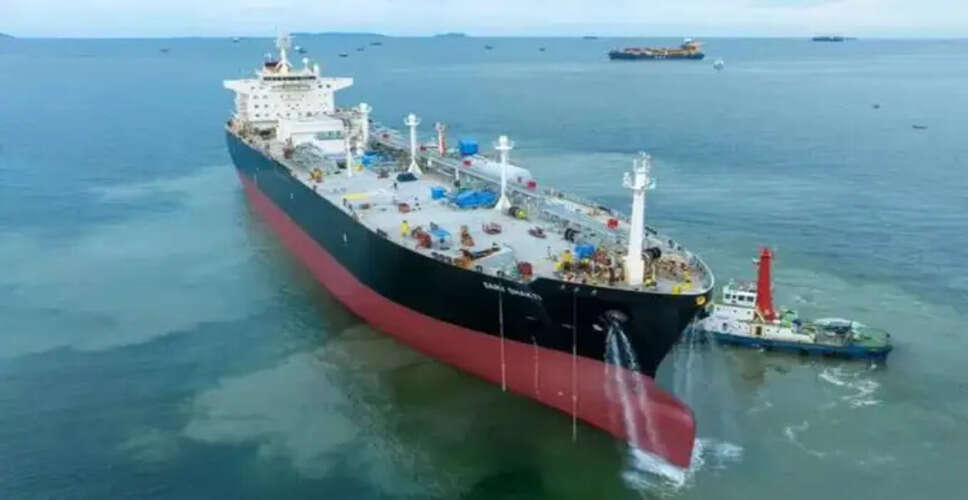

Strait of Hormuz Under Siege
Dubai: On Monday, both the United States and Iran claimed authority over the Strait of Hormuz following a series of attacks that have heightened tensions across the Middle East, complicating diplomatic efforts aimed at resolving the ongoing conflict.
The recent violence was ignited by Iran's attack on a container ship in the strait near Oman, emphasizing the strategic importance of this waterway, which historically facilitated the passage of a significant portion of the world's oil and gas trade.
Since the conflict began, shipping activities in this narrow passage have been severely disrupted, with Iran exerting control by targeting commercial vessels, creating an atmosphere of fear among shippers.
Currently, the US and Iran are approaching the midpoint of a 60-day interim agreement intended to pave the way for discussions aimed at a permanent resolution to the war.
However, the situation has devolved into a series of confrontations over the strait, raising alarms among global leaders about the potential for a full-scale resurgence of hostilities.
United Nations Secretary-General Antonio Guterres warned that a return to widespread conflict would have dire consequences.
US Military Strikes and Iranian Response
The US Central Command reported that its forces targeted numerous sites in Iran during strikes on Monday, focusing on air defense systems, radar installations, missile and drone assets, and small vessels.
"The Strait of Hormuz is a crucial maritime route for international trade," stated Central Command, asserting that Iran does not have control over it.
In response, Iran's Revolutionary Guard, a significant faction within the country's theocratic regime, vehemently denied the US claims.
"The Strait of Hormuz is our territory, and we will not permit a rogue army from across the globe to interfere illegally," the Guard declared.
Missile alerts were triggered in Bahrain, where the US Navy's 5th Fleet is stationed, and Kuwait reported intercepting hostile fire, although no immediate damage was reported.
Jordan's military confirmed it shot down four Iranian missiles, with no casualties or damage reported. Iranian authorities indicated that attacks occurred in several provinces, resulting in at least two fatalities.
Regional Implications and Ongoing Negotiations
Iran's military actions extended to Bahrain, Kuwait, Qatar, Jordan, and Oman, prompting Oman to summon an Iranian diplomat to express disapproval of the attacks.
Additionally, a base associated with the Kurdistan Freedom Party in Iraq was targeted by drone strikes, although details on casualties remain unclear.
The US military reported hitting around 140 targets, including missile and drone launch sites, in a more extensive operation than previous strikes.
President Trump remarked on NBC's "Meet the Press," stating, "We bombed the hell out of them last night."
Iran retaliated by targeting nations hosting US forces, insisting on its right to control the strait and potentially impose fees on vessels traversing it.
"The era of one-sided deals is OVER," declared Mohammad Bagher Ghalibaf, Iran's Parliament speaker, emphasizing the need for compliance with agreements.
While Iran claimed the strait was closed, the US maintained that it remained open, with military support facilitating vessel movement along a southern route, which has angered Iran.
Diplomatic Efforts Amidst Conflict
Despite escalating tensions, diplomatic discussions involving mediators such as Pakistan, Qatar, and Egypt continue in an effort to finalize a ceasefire.
A regional official involved in the negotiations, who requested anonymity, noted that efforts to reinforce the ceasefire were ongoing.
Pakistan's foreign minister recently communicated with Iran's top diplomat, advocating for de-escalation from both sides.
In a recent statement, Iran's new supreme leader, Ayatollah Mojtaba Khamenei, vowed to avenge the killing of his predecessor, marking his first public address since the war began.