
Tensions Escalate in the Middle East: US Military Operations Under Review Amid Rising Oil Prices
Mixed Signals from the US Government
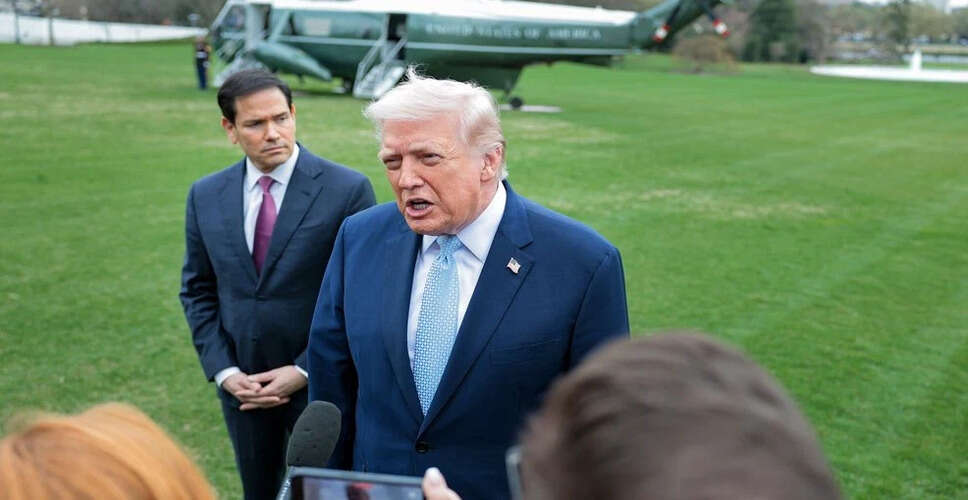
President Donald Trump announced that his administration is contemplating a reduction of military engagements in the Middle East. This statement comes at a time when the US is simultaneously deploying additional warships and Marines to the area, amidst threats from Iran to target global tourist locations.
These contradictory messages from the US follow a spike in oil prices that has negatively impacted the stock market. Additionally, the Trump administration revealed plans to ease sanctions on Iranian oil shipments, a strategy aimed at addressing the surging fuel costs.
The ongoing conflict shows no signs of resolution, with Israel reporting missile attacks from Iran early Saturday. Meanwhile, Saudi Arabia intercepted 20 drones in its eastern region, which houses critical oil facilities, with no reported injuries or damage.
The humanitarian toll is severe, with over 1,300 fatalities in Iran, more than 1,000 in Lebanon, and casualties including 15 in Israel and 13 US military personnel. Millions have been displaced in both Lebanon and Iran.
Iran's Response and Military Actions
On Saturday, Iran conducted funeral services for Ali Mohammad Naini, the spokesperson for the Revolutionary Guard, who was killed in an Israeli airstrike, as reported by state media. Footage of the funeral was broadcasted by Iranian state television and other semi-official channels.
In Israel, sirens were activated early Saturday morning as the military responded to missile threats from Iran. The Israeli military confirmed it was targeting locations in Tehran, following a series of strikes aimed at Hezbollah positions in southern Beirut.
Evacuation alerts were reissued for seven neighborhoods in Beirut's suburbs, leading some residents to fire warning shots to alert those who had returned.
Impact on Global Oil Prices
United Airlines is bracing for oil prices to potentially reach USD 175 per barrel, with CEO Scott Kirby indicating that jet fuel costs, which have more than doubled recently, could result in an annual expense of USD 11 billion if current prices persist. Kirby expressed cautious optimism, suggesting that the worst-case scenario might not materialize.
The price of Brent crude has fluctuated significantly, rising from approximately USD 70 per barrel before the onset of the Iran conflict to a peak of USD 119.50 this week.